
Fundraiser
Revolutionary War Marker
Honor Our Patriots at Sunnyside/Hoge/Howe Cemetery

Help the Count Pulaski Chapter of the DAR install a marker to honor our Revolutionary War soldiers buried at the Sunnyside/Hoge/Howe Cemetery.
-
Joseph Howe
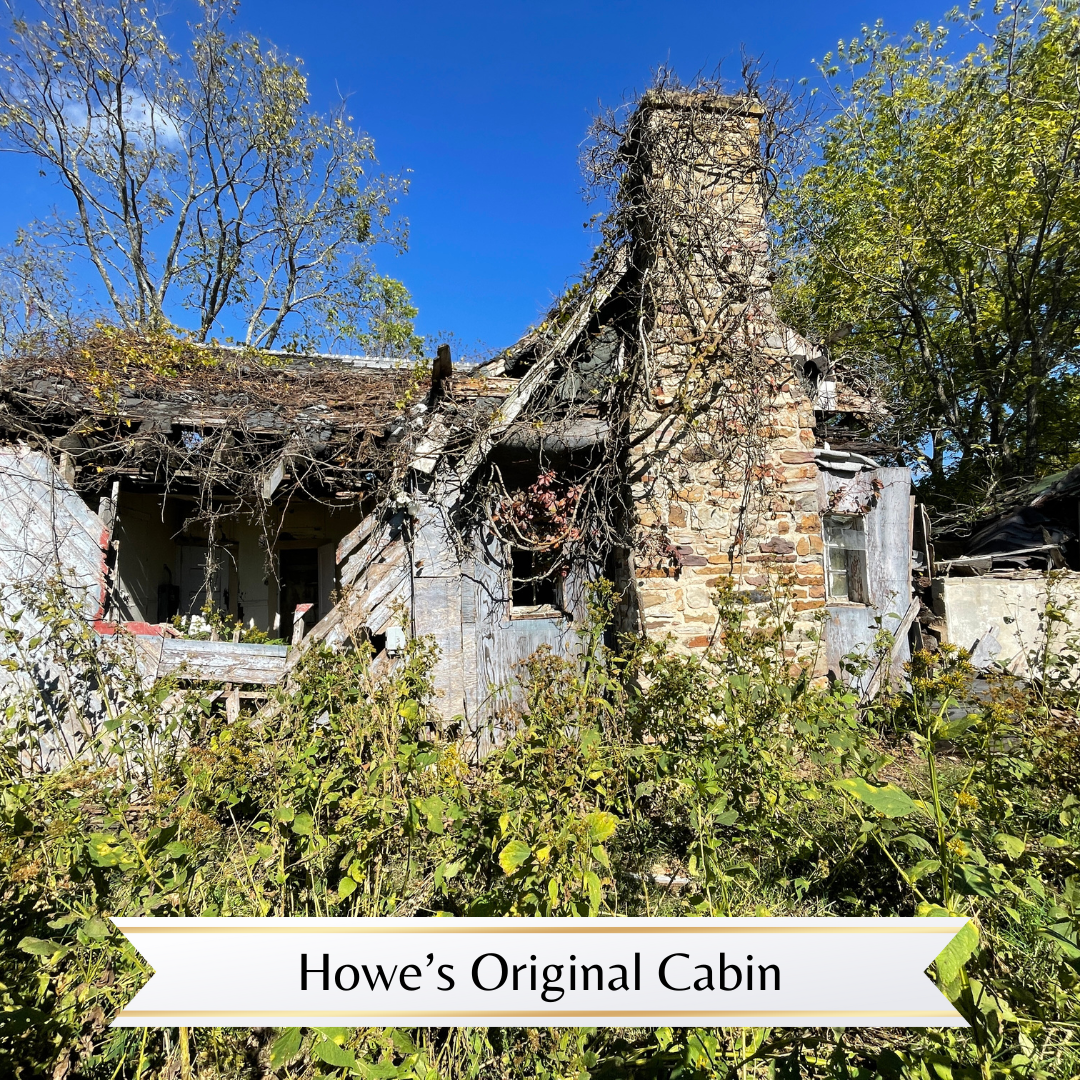
Joseph Samuel Howe left his privileged life in England to forge unknowingly into the wilderness of America. Coming from a home of refinement and wealth with strong convictions and connections to the crown, it seems curious he would have taken on such a risky adventure. Speculating his motivations, Howe may have forfeited a royal title in exchange for land in the New World. Since he sympathized with the American colonists, maybe it was perceived intolerable back at home with his family. His first trip at 17 might have opened his eyes to the opportunities in the new world, and he may have jumped on the offer of land in exchange for the privileges of nobility. The truth of this refined gentleman’s inspiration to venture into the wilderness is a mystery; however, the legacy he left in America lives on.
During the Revolutionary War, Joseph Howe served as a “road viewer.” This role was key since he was responsible for making sure roads were surveyed and cleared for the troops. If the British interfered with road passage for some reason, Howe was to remove or handle the disruption. After the war, Howe lived a long and contented life at Sunnyside, his paradise. He continually added to his home while clearing acres for crops, vineyards, and orchards. He accumulated more livestock and other assets through the years until he passed at a ripe old age of 74.
-
James Mayo Hoge
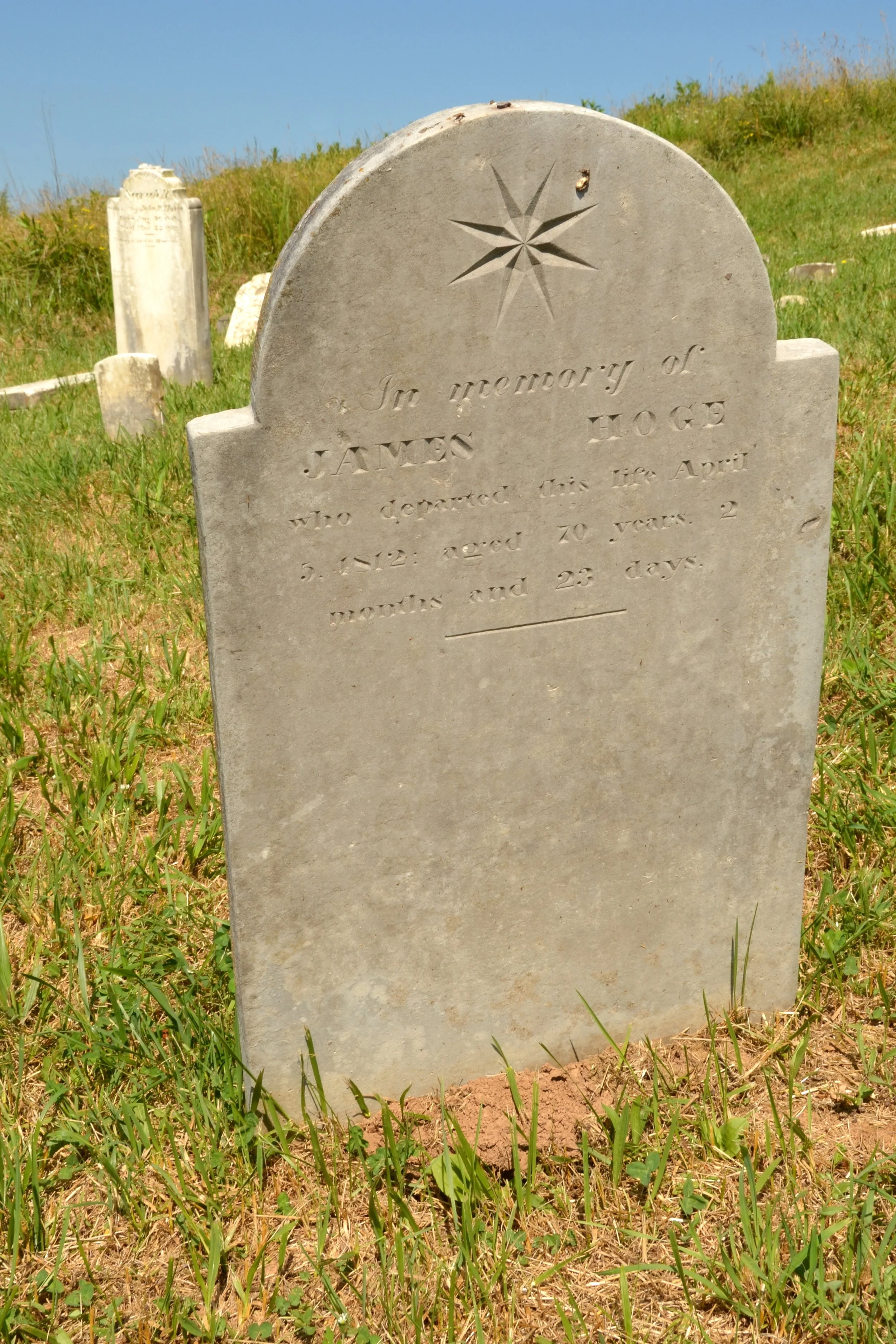
In June 1775, James enlisted as a soldier, two months after the Revolutionary War began in Lexington, VA, less than 100 miles away from his home. He served as a private in Captain Hendricks’ Company, which fought in the losing expedition against Quebec. Those enlisted abided by their orders to bring “a good firearm, a cartouch box, blanket, and knapsack.” They made their own bullets at camp, but boredom soon became their enemy. To keep the soldiers occupied, instead of drills, they were sent to hide out and pick off the redcoats as they marched in formation. But someone, not identified, suggested that George Washington send his troops on a 500-mile trek to Quebec to defeat the redcoats in order to gain support for the anti-British rebellion among the French Canadians that lived there. On their arrival, the snow became deep, and a siege on the city would have been impossible, but they had to advance before the new year. On the night of December 30, to make things worse, the temperatures dropped, and the conditions unexpectedly became more brutal. At 2:00 a.m. on December 31, 1775, under cover of snowfall, General Richard Montgomery and Benedict Arnold led the troops into the city. Hendricks and his company brought up the rear behind Arnold. Although the plan was to surprise the enemy, the British defenders were ready for the Patriots and, under a barrage of artillery and musket fire, killed or captured approximately 400 soldiers. Those men who were second-generation Americans were taken as prisoners of war while the others forcibly served with the British. James, a second-generation American, was held captive at the fortress in Quebec.
Unlike most prisoners of war, who were neglected and considered traitors by the king, they were treated well in captivity, but boredom and disease made conditions difficult. Fortunately, the Jesuits helped with illnesses by comforting the sick and offering medicine or hospital care. A year later, after the Declaration of Independence was signed, the prisoners were released. Twenty-one ragged, weary men from Captain Hendricks’ Company headed home in the fall of 1776. Because only the British recorded the affairs, history neglected this small company, and their story was never chronicled on their return. Possibly accounting for James’s conflicting documentation in the war from 1777–1790, he had been among the first half-dozen units beyond the Hudson to serve.
The Militia of Montgomery County, established from 1777–1790, listed James as a “Patriotic Service Soldier.” About 45,000 enlisted in the Virginia Company, but a quarter of them wasn’t on active duty until 1781, when they were summoned into service. James’s name doesn’t appear on the roll until 1781 under the command of Captain Henry Patton. We know his daughter Sara was born in 1780, which matches the timeline. After the tough battle in Quebec and being a prisoner of war, he most likely went home to recover. Patton’s Company served in the Battle of Guildford Courthouse under Marquis de Lafayette, a French general, a significant turning point in the war. James was in active duty at the Battle of Yorktown with the British's eventual surrender under General Cornwallis's command. Yorktown was the last major battle in the Revolutionary War, which ended in 1783 with the Treaty of Paris.
-

Daniel Howe
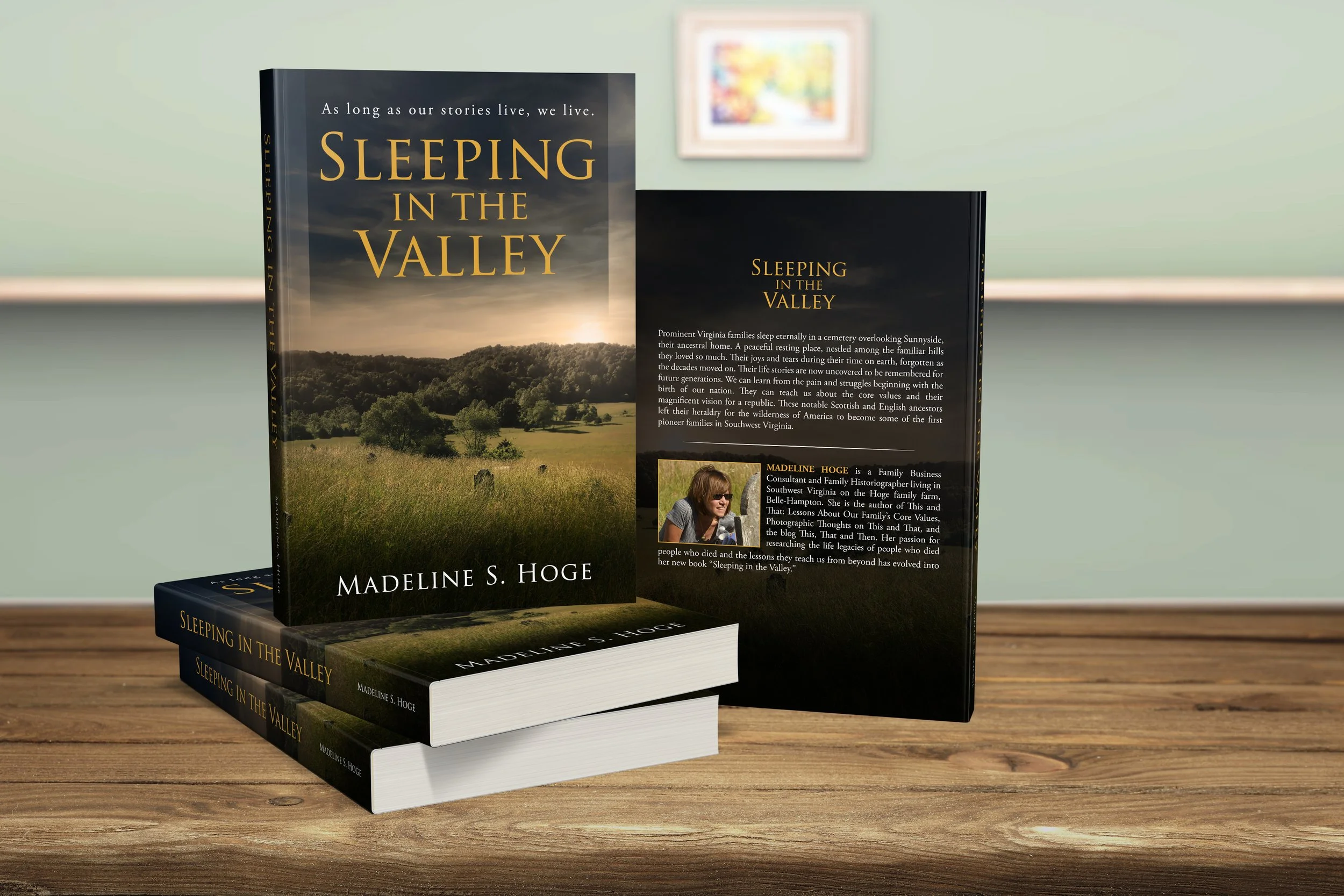
During the Revolutionary War, when Captain Howe was protecting the valley, he was ordered to observe the activities of known Tories in the country and arrest those who appeared to be a threat to the revolution. This stage of his military duty led to a romantic episode that profoundly impacted his life. He met his wife, Nancy Heavin (read more of the story in Sleeping in the Valley).
Sometime after the encounter, Daniel fought in the Battle of King’s Mountain in the Carolinas. Although it only lasted 65 minutes, it was described as “the war’s largest all-American fight” and a turning point in the revolution’s eventual American victory. This battle undermined the British strategy in the South, making it difficult for them to recruit American Loyalists to fight against the Patriots.
In the last year of his active service, Captain Daniel Howe, with the Montgomery County Militia, took part in General Greene’s Guilford campaign of March 1781. When the British invaded Western North Carolina, the Montgomery County Militia and other available troops in the area were ordered south to assist General Greene in repelling the invader. The total force of 4,400 regulars and militiamen faced about 2,200 British. The American losses included 14 officers and 312 troops killed or wounded, but the British suffered more severely, leaving 93 dead in addition to the more than 500 wounded. The battle itself lasted only a few hours but resulted in a retreat from the Patriots to preserve the unit. The British declined to pursue them into the backcountry, leaving the British to acknowledge their failure to quash the South’s resistance.
Later that year, the war ended, allowing Daniel to return to his home, Sunnyside. Continuing his service to the community, he became a gentlemen justice then a General Assembly member. Since the latter position required him to travel to Richmond, it allowed him to learn the day’s news. This vital information contributed to his popularity in the New River Valley since there was no access to newspapers at the time. However, he had romantic interests to pursue as well.