This, That and Then
Continuing with the writings of Robert H. Hoge’s “Thoughts on This and That”, Madeline established her own blog thus giving it a modern twist. Her focus is on Family Business, History, Strategic Planning, Training/Education, Governance and Legacy.

Beyond Inheritance: Stewarding the Family Farm for Generations
A family farm is never simply a collection of fields, buildings, equipment, and financial assets. It is a living enterprise shaped by the work, decisions, sacrifices, and aspirations of the people who came before us.
In American Family Farmland: Preserving Values & Creating Wealth, Johnny Klemme encourages landowners and heirs to approach inherited farmland with clarity and intentionality. The book is written for families facing significant decisions about whether to retain, sell, transition, or reimagine their land. Its values-first perspective recognizes that farmland carries economic, emotional, relational, and legacy significance.
Honoring the Cherokee Past at Belle Hampton
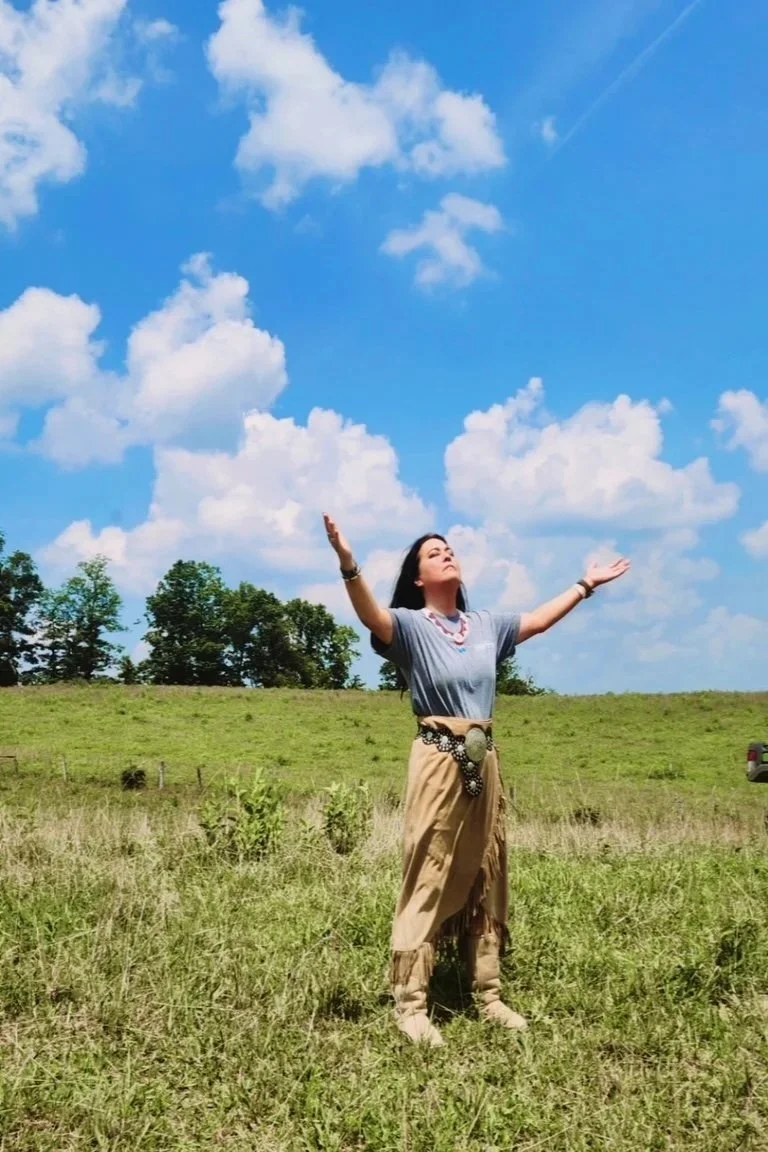
In the 1700’s, before Hayfield (later called Belle Hampton) was established by James Mayo Hoge, Cherokee people roamed the land, establishing a village for hunting on the step-up field where Back Creek and Shuffle Branch Creek merge. A now 300-year-old tree points the direction toward the village, a common way to mark trails. In the 1760s, Cherokee people migrated south into Georgia, Tennessee, Alabama, and North Carolina. However, the Cherokee War, which occurred in southwestern Virginia, eastern Tennessee, western North Carolina, western South Carolina, and northern Georgia, took place in 1776, during the Revolutionary War.
More Than a Physician: Dr. William Hoge’s Life of Faith and Service
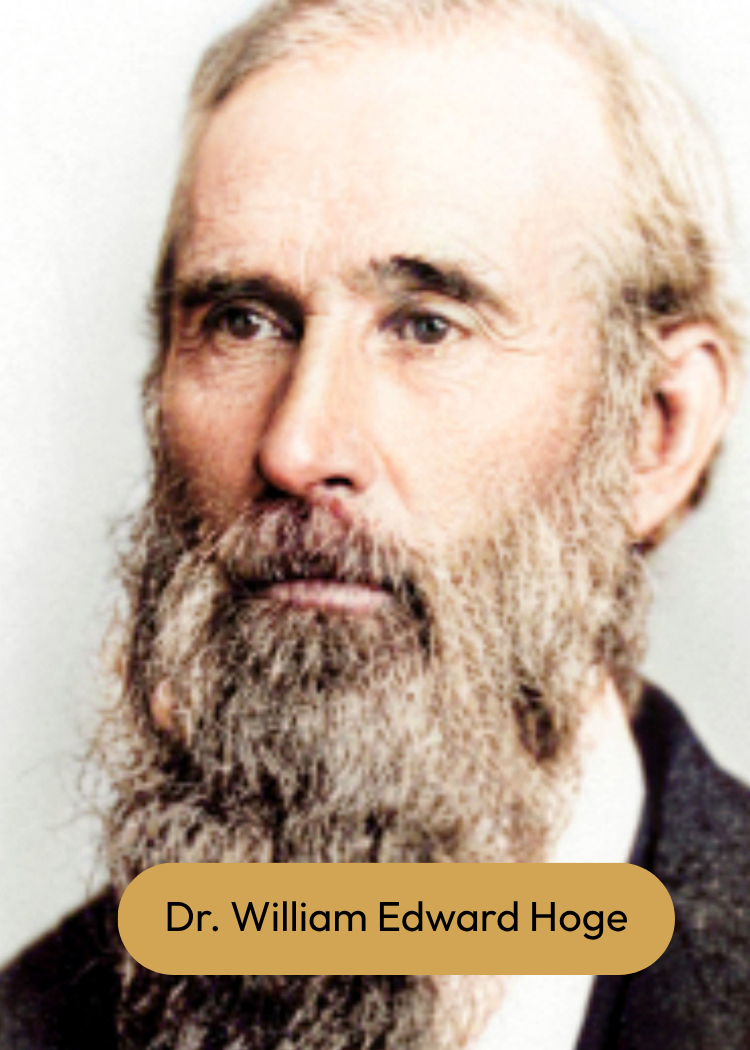
In the long history of Belle Hampton, Dr. William Edward Hoge stands at a revealing intersection of family inheritance and public service. He was born on May 26, 1822, at the old Hoge homeplace later known as Belle Hampton, into a household already marked by accomplishments in military standing, landholding, and deep New River Valley roots. His father, General James Hoge, and his mother, Eleanor Haven Howe, tied him to two of the region’s foundational family lines. Yet William’s distinction was not simply that he inherited place. It was that he translated inherited standing into everyday service.

Milestones That Bind: Celebrating Life, Family, and Community
Coming together to celebrate life, family, and community milestones is a great way to strengthen bonds through shared experiences. Family researchers consistently find that shared celebrations reinforce group identity and increase feelings of belonging. Making a point of attending these events is an intentional decision to foster family unity. Celebration is not merely a pause from ordinary life; it is one of the ways families practice connections.
Mellon’s Legacy of Wealth: How Intentional Preparation Built Generational Success
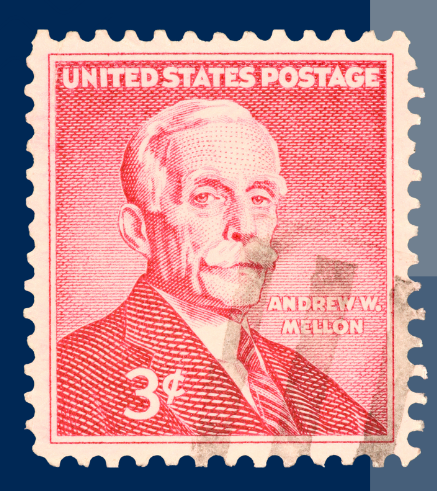
The story of Andrew Mellon, sometimes considered among the “Robber Barons,” a group of powerful American industrialists who amassed enormous fortunes, is one of preserving his wealth for his descendants, unlike the Vanderbilts, Carnegies, and Astors. However, a few on the list, such as Rockefeller, DuPont, and the Morgans, stewarded their wealth past the third generation using traits now recognized in enduring families. He believed in the education and preparation of heirs.
His philosophy began with his father, Thomas Mellon’s, strong belief in developing useful skills through acquired knowledge. Going back to Thomas’s childhood, Thomas learned from his lived experiences the hardships of the cyclical economy. Born in Ireland, he arrived in America at age five with his family to work alongside his father as a farmer in what was called “Poverty Point,” Pennsylvania. But shortly after he arrived, the Panic of 1819 happened, in which land and agricultural prices collapsed. Many farmers foreclosed, and there was widespread unemployment and debt. Thomas discovered firsthand that debt was dangerous and that farmers were vulnerable to economic cycles.

Beyond Words: Turning Family Values into Living Traditions
Should we merely write down our values, or actively live by them?
The Importance of Both Writing and Living Our Values
Should we merely write down our values, or actively live by them? I believe in embracing both. Documenting values serves as a powerful North Star, guiding decisions and actions over generations. Yet, without the daily commitment to living those values, the written words lose their meaning. We strive to document them for clarity and embody our values in every moment; only then do they truly come alive.

The Stories We Don't Tell: Crisis, Legacy, and the Family Business
In a family business, one thing is certain: challenges will arise. That's a more optimistic way to put it, but the truth remains: s**t happens. The key is how you respond to the crisis. Will you continue doing things the same way, change, adapt, or close your doors and move on? The actual Survival Statistics (U.S.) are the following:
30% of family businesses survive into the second generation.
12–13% survive into the third generation.
~3% endure into the fourth generation or beyond.

Getty: The Richest Man and the Misguided Values
When a family faces financial setbacks but hasn't discussed values such as fairness, responsibility, or compassion, members may respond differently: some keep secrets, others blame or withdraw, and decisions are made out of fear or impulse rather than shared beliefs. Individuals and families can feel lost, especially during a crisis. Choices may be influenced by emotions, external pressures, or immediate gains rather than purpose or shared vision. This can weaken trust, misalign priorities, and harm unity and legacy. However, values can be overzealous and lack the human element, as in the Getty family. Today, our family's objective is to have a written set of shared values and to live them daily. Through these stories, we can see where families fall short and how to develop your own guiding principles with your own families.

When Brothers Become Rivals: A Family Business Cautionary Tale
Cesare Mondavi and his wife, Rosa, came to America from Italy in search of opportunity. Rosa, a strong-willed woman, often commented that life was no better since they both worked long, grueling hours first in Minnesota, where winters were harsh, and then in California, where he entered the retail food business. Rosa, although not portrayed in the family's public history as having much influence, was actually the family's decision-maker. The patriarch, Cesare, publicly represented the company, but for family decisions, Rosa would be the final voice at the dinner table.
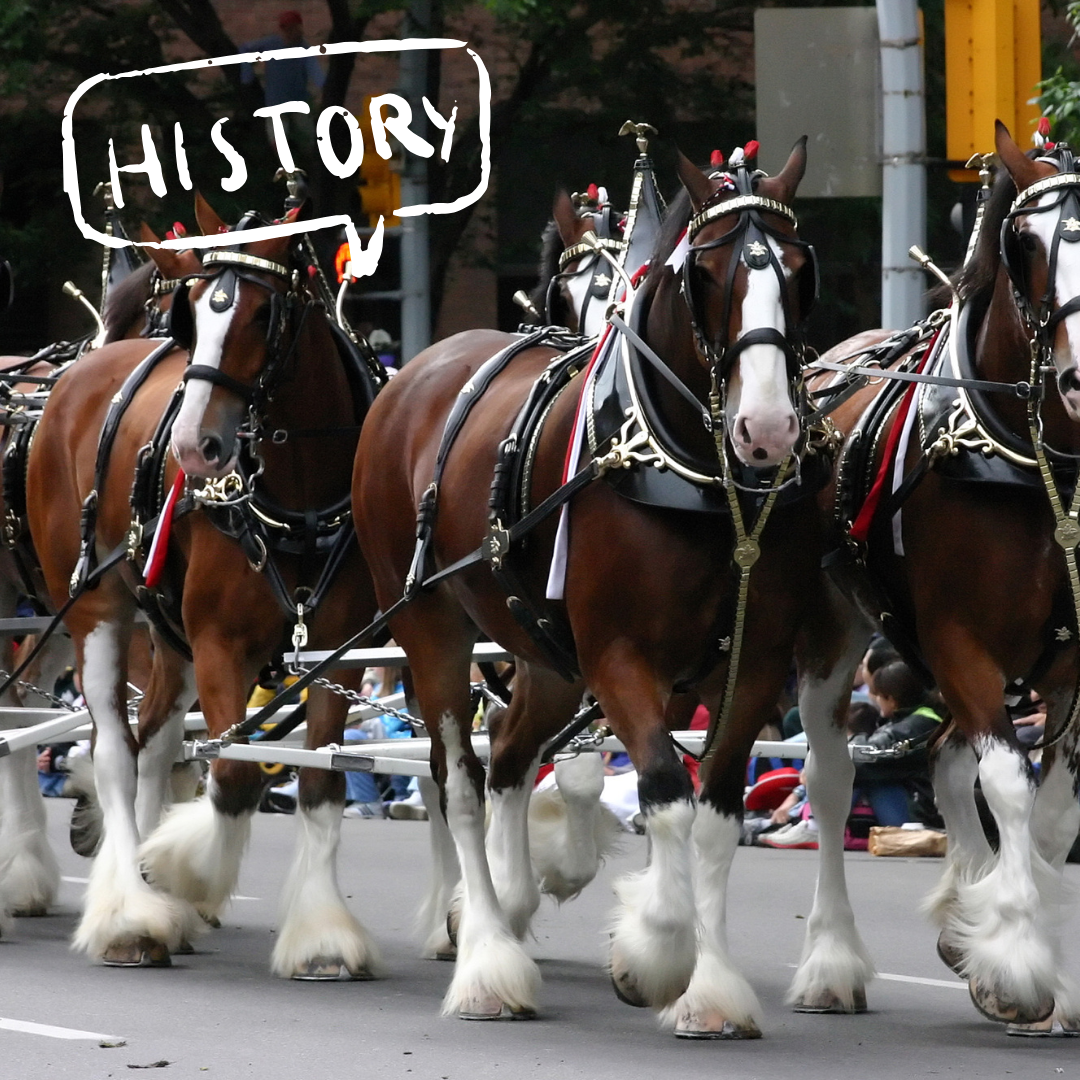
What the Busch Family Built—and What They Lost
Once owned by President Ulysses S. Grant, August Anheuser Busch Sr., the owner of Anheuser Busch Brewing, built a sprawling French Renaissance Revival chateau on the 281-acre estate, which he named Grant's Farm. “The Big House,” as it was known, was three stories high with 34 rooms and 14 baths. The red brick home was adorned with Tiffany glass and marble floors. The manicured grounds became a private paradise with llamas, peacocks, camels, monkeys, and a baby elephant, named Tessie. The compound included carriage houses, a deer park, and stables, which housed the notable Clydesdale horses, all just down the road from the brewery. Grant’s Farm became a symbol of opulence and heritage, showcasing the family’s German identity.
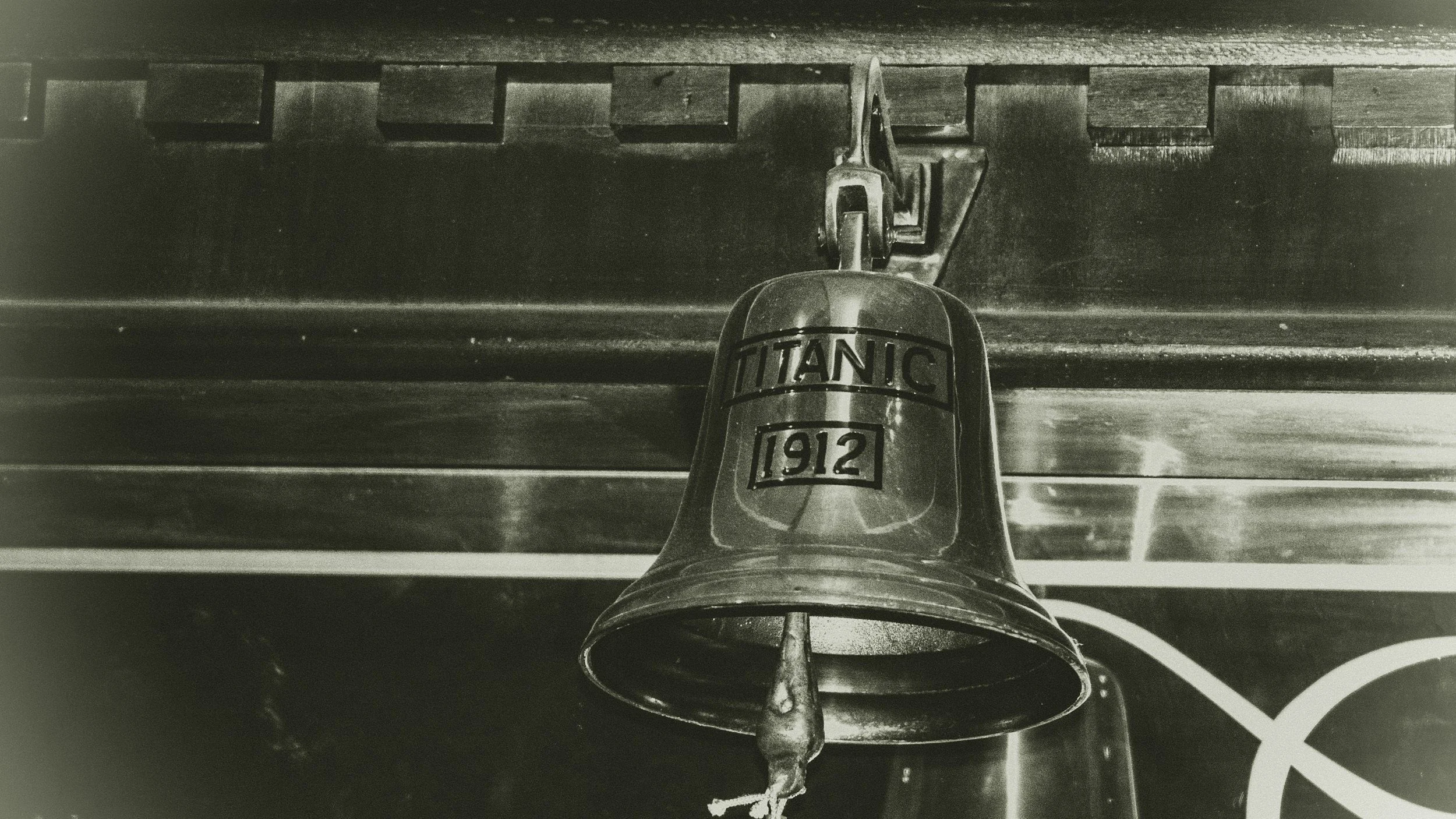
Beyond the Titanic: How the Astor Dynasty Publicly Unraveled
One of the most notable public examples of the impact of losing a matriarch is Caroline Schermerhorn Astor, often called “Mrs. Astor.” The Astor family first made their fortune through the North American fur trade. They turned their wealth into a sizable real estate empire in New York City by owning hotels, commercial properties, and large amounts of land in downtown Manhattan. But after William Backhouse Astor Jr, her husband, died in 1892, Mrs. Astor became the leader of the Astor family; she dominated New York high society and how the public perceived her family. But her death in 1908 marked a turning point, after which the family experienced a long period of division, internal conflicts, legal battles, property separations, and distinct lifestyles.
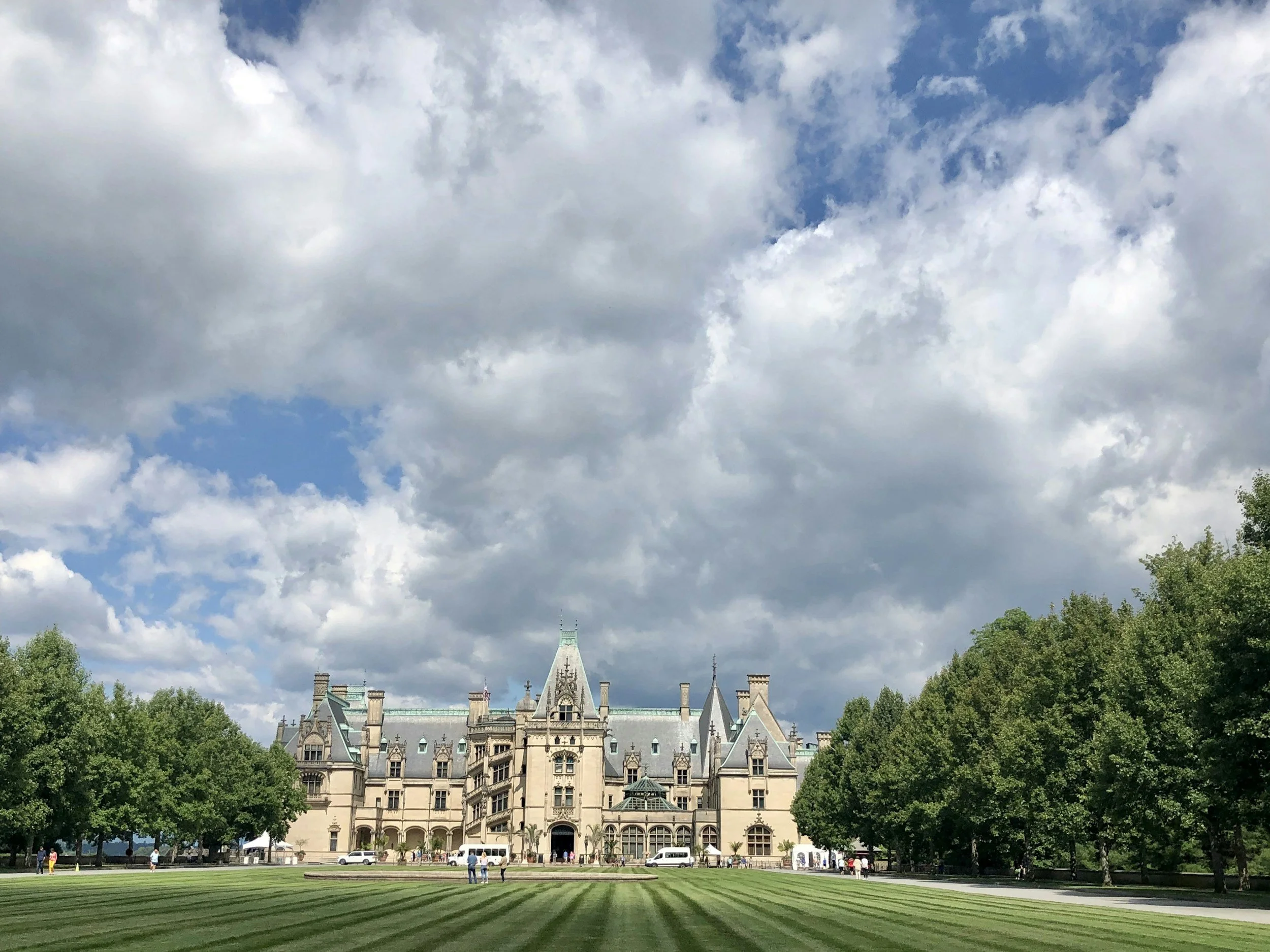
From Ferries to Fortune: The Rise, Fall, and Reinvention of the Vanderbilt Legacy
Before wealth, business, and legacy, there was a beginning. Too often, families forget their roots. Many started with humble origins, often in a small shop or farm, which once fostered resilience and harmony. However, as layers of success and luxury accumulate, this sense of unity begins to fade. Some families shield the next generation from facing the struggles they endured. But as wealth grows, so does the detachment between generations one, two, and three and between values, purpose, and pride. What started with hard work and collective sacrifice can turn into extravagance and entitlement. When a family builds wealth, history, or a legacy through hard work, they rarely imagine it could all vanish within a few generations. When the next generation no longer remembers the struggle that sparked it all, the foundation that supported the fortune quietly erodes.

What Happens When the Family Matriarch Dies? Lessons for Family Businesses
After a funeral, the impact of a loss is felt. It is the realization that the matriarch is gone. The person who held the family together, their values, their traditions, and the family harmony. Typically, she is the quiet strength and backbone of the family. However, when you have a family enterprise, not just the business is affected; family harmony is, too. What once may have been a unified front may buckle under pressure. Disagreements can erupt over how to handle property and business interests. One branch may want to sell; another insists on keeping it to continue the legacy. Without a shared governance system guiding stewardship, the conflict often ends in lawsuits and fractured relationships.

Lessons on Not Knowing the Family Narrative: A Wake-Up Call for the Next Gen
You grew up with the family name, the legacy, maybe even the wealth, but not the why. No one ever really explained how it all started. The business, the values, the trials, the triumphs, they're all just… vague. You’ve heard fragments over the years, but never the whole picture. If you’re a next-gen family member and this sounds familiar, you’re not alone.
Not knowing your family narrative can feel like trying to write a future without understanding the past. It’s disorienting. But here’s the truth: that missing narrative? It’s more than just lost history; it’s lost identity, lost clarity, and sometimes, lost opportunity.
Let’s unpack why that matters and what you can do about it.

Wycliffe Academy: A Visionary Educational Landmark in Postwar Virginia
When we acquired Belle Hampton Farm from a cousin, my curiosity was piqued by the collection of old textbooks in the library, spanning subjects from science and math to history. Some bore the signatures of James Hoge Tyler, while others were signed by his children. Intrigued, I embarked on an investigation into a school supposedly integrated into the farm. From Governor Tyler’s diary, I knew that family members had tutored the youth, but I couldn't shake the feeling that there was more to uncover. I wasn’t sure of its exact location, but a school listed as part of the farm caught my attention. Here’s what I discovered.

Knowledge vs Education vs Googling: What’s the Real Difference?
Wait… Aren’t They All the Same Thing?
On the surface, knowledge, education, and Googling might feel interchangeable. You go to school to get an education, you read stuff online to gain knowledge, and when you don’t know something—hey, just Google it!
But hang tight. These terms are connected, yes, but not identical. Each plays a unique role in how we learn, understand, and make decisions in the modern world.
Let’s dive into each one, shall we?

“The White Messenger” — A Belle Hampton Legacy Narrative
In the peaceful quiet of dawn, as the mist softly rose from the fields, a truly special and glowing creature appeared — the albino deer. Draped in white, it glides gracefully like a gentle whisper between two worlds, neither completely part of this earth nor completely separate from it. For those lucky enough to see it, it feels like time slows down, and even the land seems to hold its breath in awe.
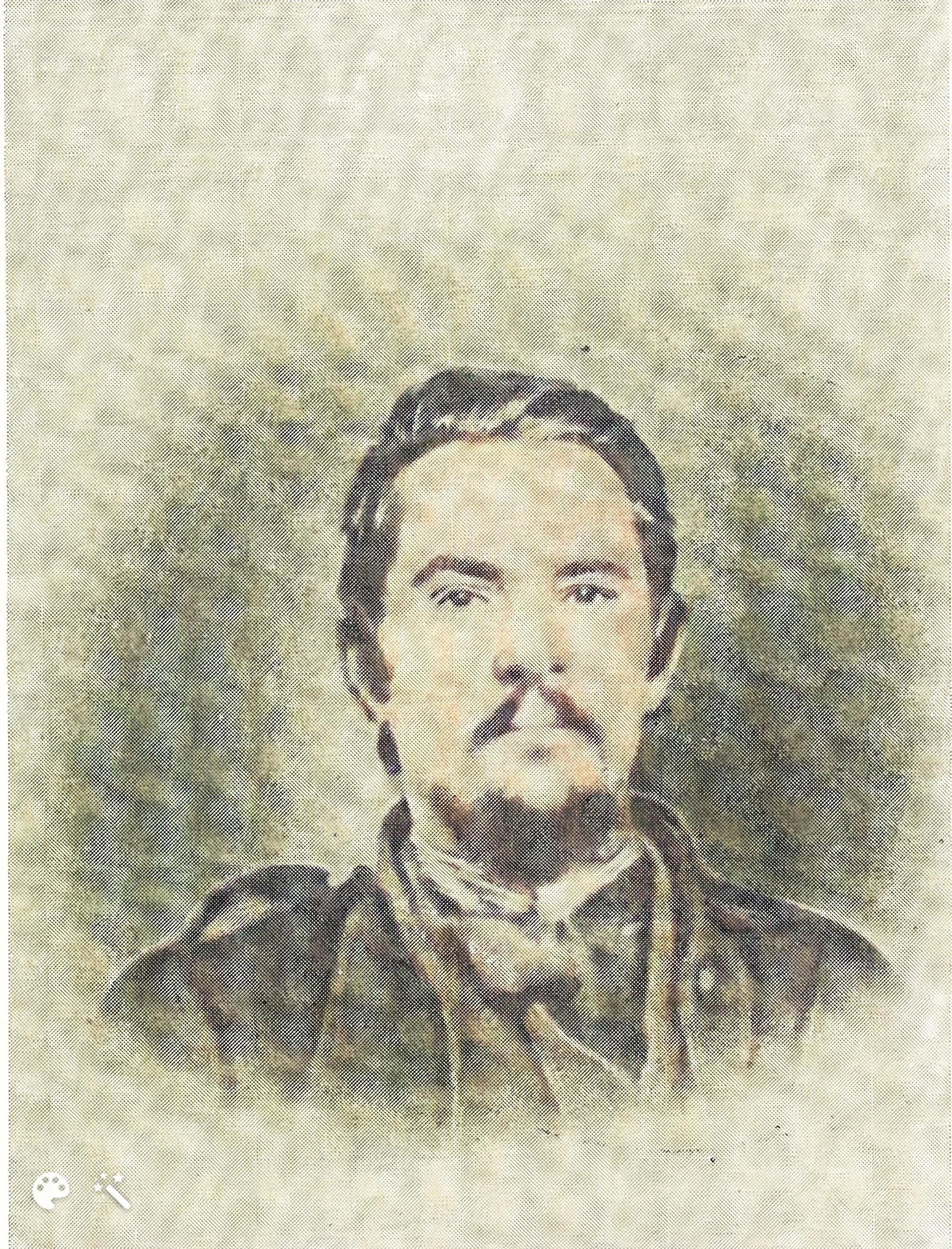
The Ghost of Sunnyside: The Haunted Civil War Journey of Samuel Shepherd Howe
We’re diving headfirst into a Civil War-era ghost story—true history with a spectral twist. This post recounts the eerie tale of Samuel Shepherd Howe, whose once-idyllic life at Sunnyside unraveled into a nightmare of blood, shadows, and sorrow. It's more than a biography—it’s a haunted remembrance, echoing with musket fire and whispered regrets. We’ll follow his footsteps through cursed battlefields, doomed charges, and a prison where the dead still cry out beneath the waves. Ready to uncover the haunted legacy of a fallen soldier?

Life in 1970s Communist Poland: Shortages, Censorship, and Survival
In the 1970s, my family in America maintained a lifeline to relatives in Poland. It wasn’t just letters (though those were heavily censored); it was packages of clothes with American dollars sewn into hems — a quiet act of defiance against the economic stranglehold of the communist regime, which at the time was firmly under the thumb of the Soviet Union.
When letters came back from Poland, they often looked like they’d been through battle — whole sentences neatly cut out, like someone had taken a razor to our conversations. It wasn’t paranoia. It was censorship, pure and simple, enforced by a government that answered directly to Moscow’s interests.

The Sweet Idea That Slipped Away: The Story of Dr. Pepper
Long ago, in the small town of Rural Retreat, Virginia, a kind pharmacist named Doctor Charles Taylor Pepper lived with his wife, Belle Howe, at their home, Grassland. He loved to tinker with flavors, much like some people tinker with clocks. After months of experimenting, he created a drink unlike anything anyone had tasted — sweet, spiced, and refreshing.
His friends and neighbors loved it, and the drink became a quiet local favorite in his store, Dr. Pepper's Drug Store.