This, That and Then
Continuing with the writings of Robert H. Hoge’s “Thoughts on This and That”, Madeline established her own blog thus giving it a modern twist. Her focus is on Family Business, History, Strategic Planning, Training/Education, Governance and Legacy.

Beyond Words: Turning Family Values into Living Traditions
Should we merely write down our values, or actively live by them?
The Importance of Both Writing and Living Our Values
Should we merely write down our values, or actively live by them? I believe in embracing both. Documenting values serves as a powerful North Star, guiding decisions and actions over generations. Yet, without the daily commitment to living those values, the written words lose their meaning. We strive to document them for clarity and embody our values in every moment; only then do they truly come alive.

Getty: The Richest Man and the Misguided Values
When a family faces financial setbacks but hasn't discussed values such as fairness, responsibility, or compassion, members may respond differently: some keep secrets, others blame or withdraw, and decisions are made out of fear or impulse rather than shared beliefs. Individuals and families can feel lost, especially during a crisis. Choices may be influenced by emotions, external pressures, or immediate gains rather than purpose or shared vision. This can weaken trust, misalign priorities, and harm unity and legacy. However, values can be overzealous and lack the human element, as in the Getty family. Today, our family's objective is to have a written set of shared values and to live them daily. Through these stories, we can see where families fall short and how to develop your own guiding principles with your own families.

When Brothers Become Rivals: A Family Business Cautionary Tale
Cesare Mondavi and his wife, Rosa, came to America from Italy in search of opportunity. Rosa, a strong-willed woman, often commented that life was no better since they both worked long, grueling hours first in Minnesota, where winters were harsh, and then in California, where he entered the retail food business. Rosa, although not portrayed in the family's public history as having much influence, was actually the family's decision-maker. The patriarch, Cesare, publicly represented the company, but for family decisions, Rosa would be the final voice at the dinner table.

What the Busch Family Built—and What They Lost
Once owned by President Ulysses S. Grant, August Anheuser Busch Sr., the owner of Anheuser Busch Brewing, built a sprawling French Renaissance Revival chateau on the 281-acre estate, which he named Grant's Farm. “The Big House,” as it was known, was three stories high with 34 rooms and 14 baths. The red brick home was adorned with Tiffany glass and marble floors. The manicured grounds became a private paradise with llamas, peacocks, camels, monkeys, and a baby elephant, named Tessie. The compound included carriage houses, a deer park, and stables, which housed the notable Clydesdale horses, all just down the road from the brewery. Grant’s Farm became a symbol of opulence and heritage, showcasing the family’s German identity.

Beyond Sunday Dinners: The Power of Structured Family Meetings
Our advisors recommended adopting "Best Practices" for family business, which included establishing a board of advisors and a family council. We started this journey in 2013, shortly after purchasing the company. One of our new board members had personal experience managing his own family business, so we turned to him for guidance to kick things off. After reviewing various topics and resources, we decided to begin with the help of a facilitator. However, even with that support, our start was not as smooth as we had hoped.
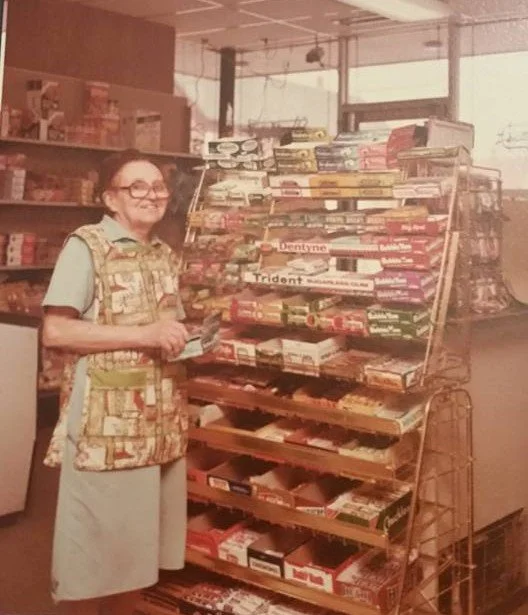
The Scent of Family Business: Memories of Bengay, Epsom Salt, and Hard Work
The smell of Bengay, Epsom salt, or baking soda—depending on whether you entered grandma’s house in the morning or evening—invokes memories of our family's dynamic and our never-ending family business responsibilities. I can still picture the plastic on the couches, inviting you to stick to it on a hot day, and the recliners positioned like sentinels in front of the TV, which had a security monitor on top. Those watching could keep an eye on any intruders trying to steal a candy bar or monitor our work ethic; heaven forbid there was any procrastination by a worker, which happened to be all related.
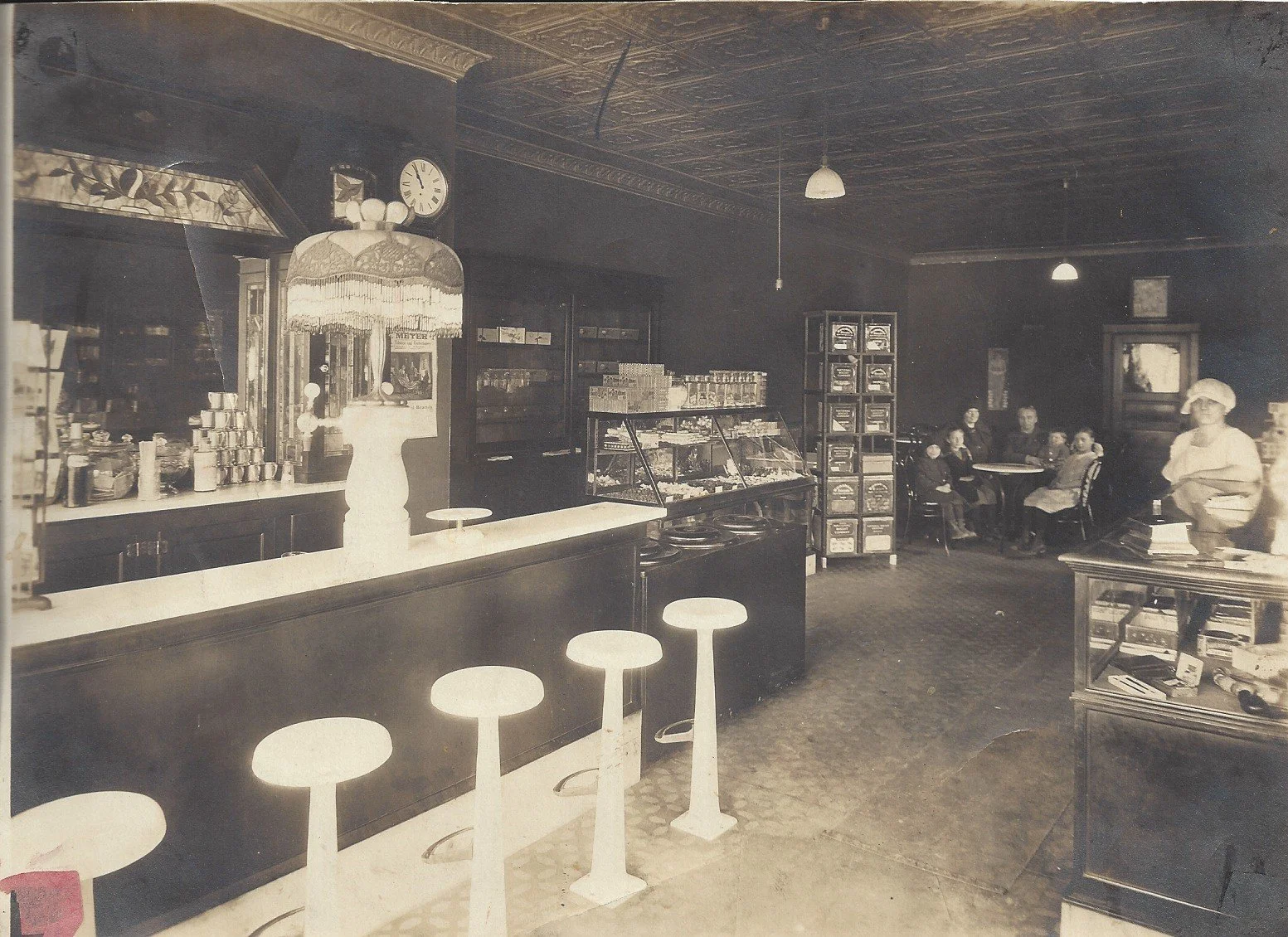
The Secret Family Code: Not Just “Don’t Touch the Thermostat”
Growing up with Great-Depression-era parents and grandparents in a family business was like attending a masterclass in frugality—complete with pop quizzes on who could survive the longest without turning on the heat! I distinctly remember the “don’t touch the thermostat” rule, essentially carving it into stone like a biblical commandment. Sure, there were plenty of valuable lessons tugged into my memory, but they never made it onto a vision board or a motivational poster. Or so I thought...

Insights to Avoid Common Pitfalls in Crafting a Family Charter
Imagine a single document capable of uniting your family, preserving wealth, and fostering harmony for generations — that’s the power of a well-crafted family charter. However, creating such a document is not without its challenges. Avoiding common pitfalls ensures that the family charter remains a meaningful and effective tool.
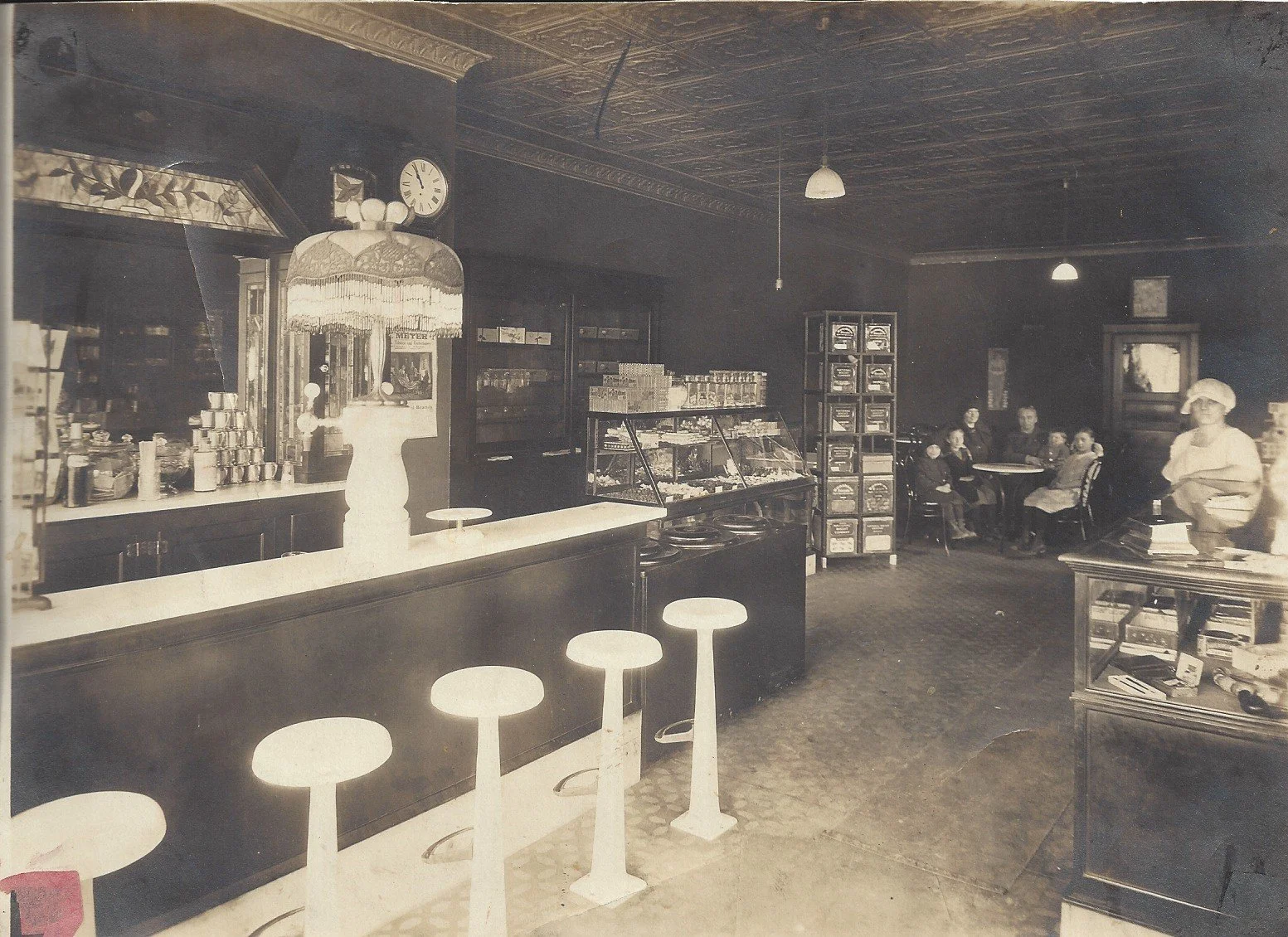
Are You Living Your Values? A Journey of Integrity and Purpose
Growing up in a family business taught me the importance of living my values daily. From a young age, I was surrounded by an environment where trust was paramount. The sight of neatly stacked, ironed cash—ready for daily bank deposits—was a constant, yet I never once considered taking even a dollar for myself. The family trusted each other, and that trust was a core value.
Values are often passed down through generations, and mine were shaped by my great aunt. A widow since 1924, she had faced the hardships of the Great Depression and the loss of her husband. Through resilience, she maintained the integrity of our family business. She believed that true character is revealed when no one is watching, a lesson that profoundly impacted me. For her, honesty wasn’t just a policy—it was a way of life.

What is Family Ethics? Preserving a Legacy of Trust and Responsibility
The quote 'It's not personal; it's only business' from The Godfather movie, often used to illustrate the impersonal and ruthless nature of decision-making in organized crime, was a frequent topic of discussion in my college business ethics class. However, in the context of family ethics, it's not just about making decisions; it's about upholding a legacy of trust and responsibility, a set of core values that elevate a family to a higher standard.

Building a Strong Family Governance Structure: Essential Steps and Best Practices
In this complex world, the business of the family, is more important than ever. A robust governance structure is crucial for maintaining harmony, ensuring development, and facilitating long-term success. Without proper governance, the business of the family can face conflicts due to poor communication, lack of preparation, and other challenges that can impede long-term stability. Let's explore the essential steps and best practices for building a strong family governance structure.

Family Charter: Building a Sound Governance Foundation
There are many reasons why setting up a family charter makes sense for your family, but a focus should be to clearly articulate guidelines for the future transfer of wealth while reducing internal family conflict. Communication, Communication, Communication. The process is key in formulating the document. No one size fits all, so breaking the topics into chunks to tackle in family meetings by order of importance is more manageable. Don’t try to take an off-the-shelf approach to develop charters or ones that lawyers create. However, a final review by a lawyer might be beneficial. The development of the charter needs to engage the rising generation since they will be the ones impacted by the document. Here is an outline of things to consider.

How Do You Communicate Effectively for Family Harmony?
Soon after my husband bought his company, our family decided to form a family council. The purpose of the council is to educate and facilitate communication between family members and provide a forum for constructive discussion, problem-solving, and decisions about the family as it relates to the business and the family. After several successfully facilitated meetings by our advisor, we decided to organize the meetings independently. Establishing the agenda, arranging the location, and gathering other pertinent information went smoothly. However, the conference itself stumbled since some members interrupted or diverted from the topic at hand. After an abrupt end to a Thanksgiving meeting, the family members complained separately to me about the unorganized discussions. The family needed to step back to evaluate the situation to continue family harmony during the meetings. Instead of blaming each other, we decided to be proactive by taking an individual assessment test, the DISC, to learn how to work more effectively together.

Life Is Not Fair?
Growing up in a poor suburb of Chicago, I attended a Catholic school with a requirement to wear a uniform. One day a month, to get the uniforms clean, we could wear a nice dress, pants not being an option. The other girls had beautiful fancy dresses from Marshall Fields while I wore handmade boxy shift type dresses. When I asked my parents for the latest store-bought fashion, they refused since they could not afford frivolous purchases raising five daughters. While I was whining about not getting store-bought clothes, my dad would say, "Life is not fair," in response to my complaints. But aren’t we taught the importance of being fair and equal?

Ways to be Involved in the Family Enterprise
When my husband first bought his engineering company, our three boys had no interest in being part of the organization. Only one was studying engineering, but he never aspired to go into business with dad. The other two also had different thoughts on their career trajectory. Although annually we set our goals for the next one to ten years, time and time again in everyone’s carefully laid out life plan, nobody described any role for being part of the family business. My husband continually pointed out the oversight, but I wondered how could we encourage family members to get involved with the family business?

How Do You Transfer Values Across Generations?
When thinking of inheritance, typically the thought revolves around money or possessions. Designing a successful wealth transfer tends to be the conversation with financial advisors. Insurance companies might ask about high worth assets to provide adequate coverage for posterity. But if you want to transfer values and a shared sense of purpose to future generations, you need to design a legacy plan which would consist of a Vision-Mission-Core Values statement, traditions, family education, and a collection of stories.

A Family Governance Journey
From our first family council meeting, we encouraged our boys to ask the tough questions. How much do you make? How much is the company worth? What will I inherit? These were all questions we thought they would ask. However, the most important question on their mind was…if something happened to dad, who would run the company? No longer were we having adult to child conversations, rather an adult to adult relationship was beginning to develop.

Finding Your Purpose: Our Story
At 17 years old, you don’t know your life’s purpose much less where you want to go to college or what to study. Growing up in Chicago, I was surrounded by top universities. What prompted me to go to college in small town Minnesota baffles me to this day. I don’t like cold and a small town at that time wasn’t for me. Although it was a good experience and met life long friends, I wanted a city life where there was action.
My parents prompted a change to transfer to Georgia Tech in downtown Atlanta to study engineering. The coordinator for new students gave the age old speech, “look to your left, look to your right, those faces will not be there after a year.” That proved to be a reality for my roommates. With the motto “To be the best,” on our door, I was determined not to be a statistic.

Our Story on Living Intentionally
Growing up in Chicago I enjoyed the hustle and bustle of activity. The Sears Tower, Michigan Avenue and shopping at Marshal Fields were all part of my childhood. After meeting my husband in Atlanta, we bounced around the United States from NYC to Boston. We settled in a suburban town outside of Cincinnati to raise our children. An upper-class golf community where driving to the club via golf cart was the norm. I was selling luxury real estate in fancy dresses and heels, while my husband ran his engineering company donning his Robert Graham pressed shirts. We were living the dream.

Can You Live Too Intentionally? Finding Balance
Many people make New Year Resolutions, but break them within a few weeks or months. Those that have defined written goals, however, are proven to be more successful in obtaining those priorities. Achieving their dreams, no matter what obstacles thrown in their direction, is their way of reaching their full potential. They are living intentionally, but even the most disciplined were derailed in 2020 falling short of their objectives. Although it has become our family mantra to live intentionally, I began to ponder if it is possible to be too focused?