
What the Busch Family Built—and What They Lost
Once owned by President Ulysses S. Grant, August Anheuser Busch Sr., the owner of Anheuser Busch Brewing, built a sprawling French Renaissance Revival chateau on the 281-acre estate, which he named Grant's Farm. “The Big House,” as it was known, was three stories high with 34 rooms and 14 baths. The red brick home was adorned with Tiffany glass and marble floors. The manicured grounds became a private paradise with llamas, peacocks, camels, monkeys, and a baby elephant, named Tessie. The compound included carriage houses, a deer park, and stables, which housed the notable Clydesdale horses, all just down the road from the brewery. Grant’s Farm became a symbol of opulence and heritage, showcasing the family’s German identity.
Fair-tale Holidays and Traditions
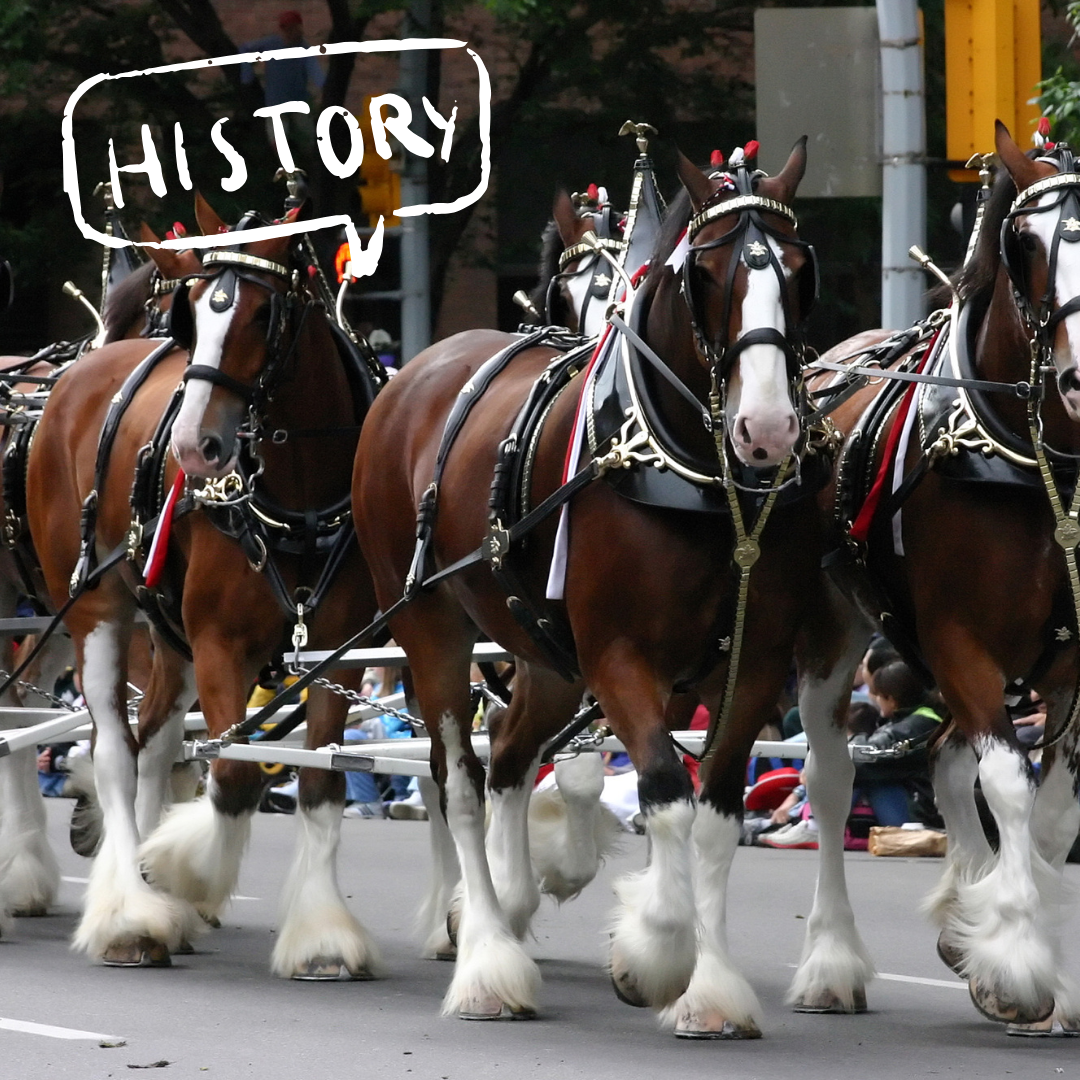
In the 1950’s and 1960’s, August “Gussie” Busch, Jr., threw lavish parties to entertain guests and began fairy-tale holiday traditions for the family. Trudy, Gussie’s third wife, relished entertaining, mimicking Jacqueline Kennedy’s Camelot atmosphere, earning her the title of the Queen of St. Louis’s Camelot. Their roaring parties included German Feasts, Hunt Club Balls, and Charity events with high-profile celebrities such as Frank Sinatra, Danny Kaye, and President Truman, featuring overflowing beer and champagne toasts. Their family traditions were no less extravagant. Easter, not necessarily a religious event, was a symbolic reopening of the property after the family returned from Florida to the farm. Baby chicks were dyed bright pink, green, or blue to mimic colored eggs since the egg hunt was the focal point of the event. Sometimes as many as a thousand eggs would be carefully hidden across the lawn, containing coins, toys, candy, and small gifts. Gussie, who was larger than life, would often arrive in a carriage pulled by what became synonymous with the family identity, Clydesdale horses. The joyful, yet theatrical event soon went indoors for a more formal, elegant, traditional European meal, complete with assigned seating, where children learned their manners and the art of hospitality.
Christmas closed the year at Grant's Farm. The multi-day event was decorated with greenery, candles, formal table settings, and an outdoor winter wonderland featuring lighting throughout the grounds. These gatherings were more intimate with immediate and extended family and a few select guests. There was music, storytelling, and excellent food. Gift-giving was abundant but done mythically and ceremonially. Brewery parties were held for workers to celebrate milestones and year-end recognition. However, the family was part of this tradition since the division between business and family was indistinguishable. The final estate meals after Christmas were in preparation for their trek to Florida for the season, by acknowledging staff, settling accounts, and directing workers in their roles for the winter.
The Elaborate Annual Trek to Florida
Going south for the winter was a grand tradition. In the 1940s and 1950s, the family’s private Pullman train car was more like a rolling residence, complete with dining, private sleeping cars, and personal attendants. Although it was coupled with a public train route, their section at the back was exclusive to the Busch family, allowing them to entertain along the way on the multiday adventure. This caravan was perfectly aligned with Busch’s ownership of the St. Louis Cardinals, who were in Florida for spring training at that time. By the 1960s, they transitioned to private aircraft, significantly shortening the travel time. The Busch family didn’t flee the harsh Missouri winter, but strategically relocated for business and social purposes to keep networking and entertaining going.
Florida was a restorative process for health and relaxation. Trudy took four-mile beach walks twice a day, often recruiting her children, who were less than enthusiastic about the physical exertion but who took advantage of the rare and precious opportunity to spend time with their mom. The children were exposed to sports figures and adult conversations. Although it was comfortable living, the property was not intended to replace the core of the family identity, Grant’s Farm.
The Bubble of Wealth
The children’s magical life on the farm and their trips to Florida were part of the Busch kids' day-to-day life. They assumed everyone lived in a fairy-tale setting. They were living in a bubble of wealth, which translated to an entitlement attitude, which didn’t fare well in their private school, where other students bullied them. Without parents to provide emotional support, they turned to their staff, who managed their daily routine while their parents traveled the world. Although the family was publicly seen as idyllic, cracks in family harmony were evident. With Gussie in his third marriage, the 11 step-siblings had fragmented relationships with each other, ages spanning four decades. The parties and elaborate holiday traditions were only a facade to true harmony. Although Gussie had affairs throughout his marriages, it was Trudy’s extensive time back in her home country of Switzerland that caused a fractured marriage. At that time, it was acceptable for the man to have an affair, not a woman.
The End of Camelot
But Camelot suddenly ended. It was the tragic accident of Gussie and Trudy’s daughter, Christina, only eight at the time, that crushed the family’s soul. A traffic accident severed the head of their driver and caregiver. They were on their way to pick up Billy Bush from high school, and Christina and Peter were passengers, excited to return home for their Christmas celebration. Both were taken to the hospital, but without cellphones, Billy was stranded at school until another parent heard the tragedy on the news. Billy found his way to a payphone, where the household staff promptly picked him up and took him to the hospital. Christina didn’t make it, and Peter was in critical condition. Gussie was understandably an emotional mess, while Trudy kept her typical stoic reaction.
Taking Advantage of Tragedy
Gussie couldn’t get over the loss and was often seen openly weeping, to his wife’s frustration, who wanted him to move on. The children’s emotions were not considered, and they were more in shock with the end of life as they knew it than able to grieve. This was the final straw that ended the third marriage and was also a turning point for the company. August III took this opportunity to step in as the CEO, claiming his father, at 76 years old, was too frail and now broken emotionally. Although August III was the successor in waiting, at 38 years old, he pushed his father out with the support of the board of directors, citing extravagant spending as one of the reasons. Still maintaining the chairman and symbolic patriarch, Gussie was a broken man.
The End of the Family Facade
Billy, Gussie’s son, was escalating alcohol and substance abuse. No proper place in leadership in the family business; he was losing his identity. It wasn’t until he met his future wife, Christina, that she gave him perspective. She pointed out the lack of normalcy in their family celebrations and traditions. How family members interacted was toxic, not unifying. It wasn’t until they left the facade of family celebrations that he began to understand life outside the Busch bubble. According to Billy, “He wasn’t pushed out; he fell away.”
Choosing a Different Path
Billy created a marriage and family that were more aligned with his values, cherishing time spent together. Blessed with the income to be there for his eight children, Billy chose to create a loving, emotionally supportive family. However, he wanted more. He decided to open his own brewing company with a craft beer line, which brought the wrath of the Anheuser-Busch family empire. He tried to use Grant Farm, which, although still owned by the Busch family, was leased by the new owners, InBev, who bought the company at a significant premium they couldn’t refuse. Billy’s intention was not just commercial but also to preserve the family’s identity. The family declined Billy’s attractive offer to buy the farm and, against their father’s wishes, sold the property to the local zoo instead of keeping Grant Farm in the family. Although the family arranged for the sale to a family cohort, excluding Billy, they couldn’t cover the expenses and surrendered the zoo foundation for the final sale.
Loss of Identity vs Having a Purpose
While Billy moved on with his life, his siblings were crushed by the loss of their perceived identity, Anheuser-Busch, and the family farm. Billy raised his kids outside the world of the Busch family with a name but no financial legacy. He created his own family celebrations and family traditions with more meaning and less theater. While Camelot was magical, it was only a facade to the fragile family dynamic that loomed in the background. A lesson in prioritizing what is essential in this short life. Is it creating a legacy or a facade of traditions, hiding the reality of a fractured family?