Beyond the Titanic: How the Astor Dynasty Publicly Unraveled
The most devastating impact of losing the family matriarch is often felt after the funeral. When the casseroles, flowers, and endless stream of visitors disappear, the realization that the matriarch is gone intensifies. Survivors are often left wondering how they’ll go on without the person who held the family together, with shared memories, values, and traditions. Typically, she is the quiet strength and backbone of the family, and her departure is almost always a threat to family harmony, the business, and the enterprise, even if the patriarch is perceived as the leader. What once may have been a unified front may buckle under pressure. Disagreements can erupt over how to handle property and business interests. One branch may want to sell; another insists on keeping it to continue the legacy. Without a shared governance system guiding stewardship, the conflict often ends in lawsuits and fractured relationships. To illustrate what can transpire in families, I will share three true stories from different walks of life about people who struggled with loss and what can happen to their families and enterprises if there is no preparation for the inevitable transition of a matriarch’s passing.
The Astor Family Story: In the Beginning
One of the most notable public examples of the impact of losing a matriarch is Caroline Schermerhorn Astor, often called “Mrs. Astor.” The Astor family first made their fortune through the North American fur trade. They turned their wealth into a sizable real estate empire in New York City by owning hotels, commercial properties, and large amounts of land in downtown Manhattan. But after William Backhouse Astor Jr, her husband, died in 1892, Mrs. Astor became the leader of the Astor family; she dominated New York high society and how the public perceived her family. But her death in 1908 marked a turning point, after which the family experienced a long period of division, internal conflicts, legal battles, property separations, and distinct lifestyles.
Wealth as Status
William was the middle son of the Generation 4 Astors, who lived off the inheritance and pursued leisure activities such as yachting, horseback riding, and entertaining at their Ferncliff Estate; he didn’t pursue business development. His marriage to Caroline, an ambitious socialite, set the stage for their family’s legacy. However, when Mrs. Astor passed away in 1908, the Astors lost their social identity, behavioral expectations, and influence across generations, rather than flourishing as a family. Without a successor of similar stature, the extended family lost its central figure. Within a year of her passing, Ava, her son John’s wife, filed for divorce stemming from what was perceived as a long-standing incompatibility. Mrs. Astor anointed the marriage of Ava Lowle Willing and John Jacob Astor IV because their marriage represented the connection between Philadelphia’s old money and New York’s elite. Ava's contentious lawsuit was a public battle lasting several years.
A Scandal Destroying a Legacy
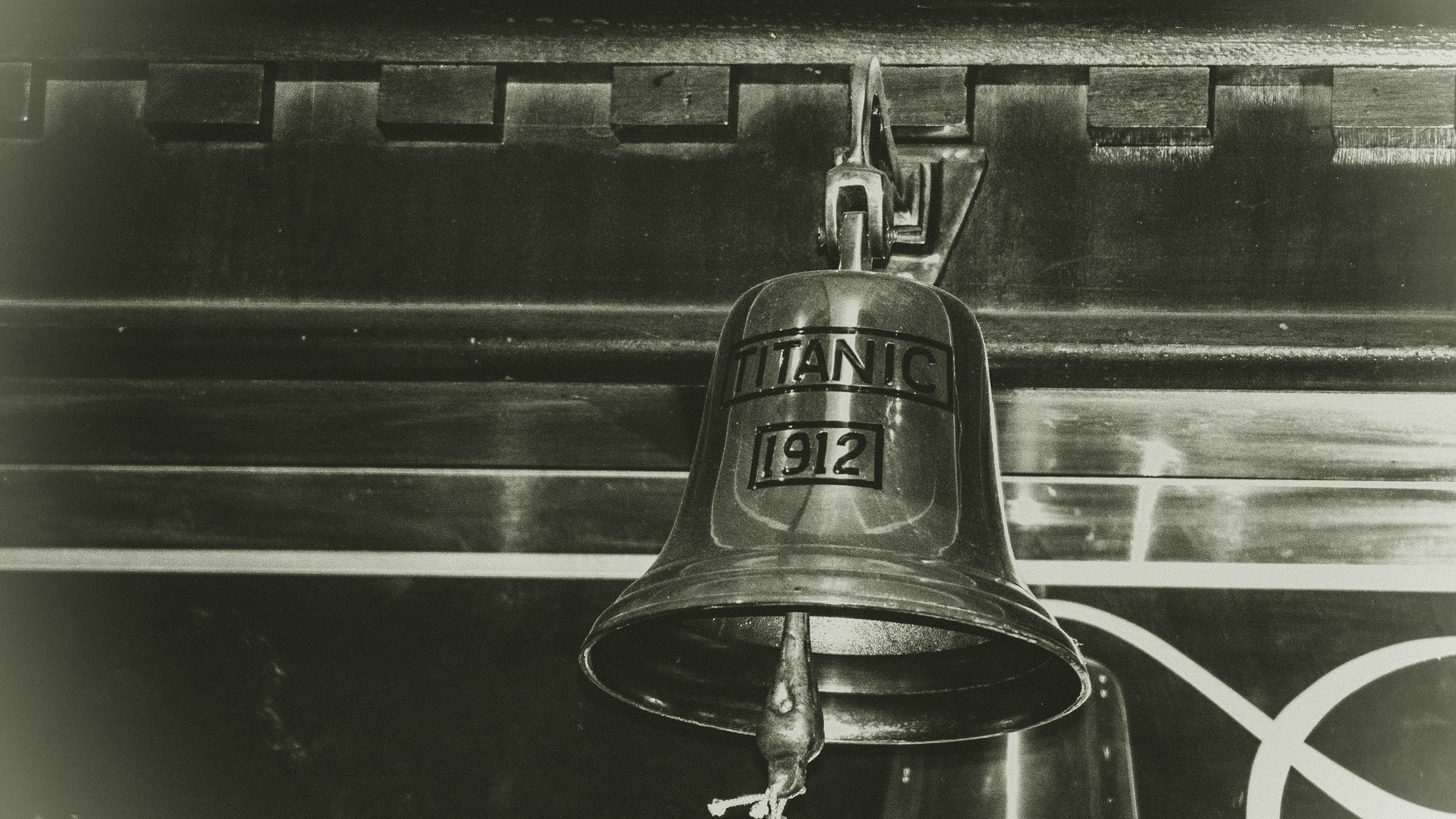
When John married a teenage bride, Madeleine Talmage Force, who was forty years her senior, he was still finalizing his divorce on their wedding day; the New York old-guard elite promptly rejected Madeleine, preferring Ava’s societal standing. The scandal of an age difference was less the reason than Madeleine’s family, who had comfortable yet modest financial standing, which didn’t legitimize her being vaulted in social position. To add to the gossip, on their extravagant honeymoon through Europe and Egypt, she became pregnant, and it was becoming evident as they were now returning to New York on the Titanic from their adventures. While John remained on the sinking ship, his new bride was left on her own, unprepared for society or the new role of matriarch.
The Rising Generation
John’s son from his first marriage was attending Harvard at the time, but his daughter was only nine, and she went with her mom to England, bringing her high society across the pond. But now, with John dying on the Titanic, the inheritance was threatening to disrupt the family’s internal balance of power, just as the Astor legacy was already starting to fracture earlier with the loss of his mother. This intense public scandal made it harder for the Astor line to maintain its once-immense influence and left no matriarch to serve as the family’s unifying force. The Astors didn’t fail financially; they failed interpersonally and structurally.
The Outlaw in the Family
Madeleine was not a schemer or an “outlaw” as family and society depicted her; instead, she was a young woman overwhelmed by her newfound wealth, strict social norms, and constant public scrutiny, all at the intersection of the decline of the Astor family’s social influence. Solving this challenging issue of wealth and status without destroying a family isn’t easy. Still, with the thoughtful structuring of their family’s values and a focus on the purpose of money rather than societal standing, things might have turned out positively. However, it would have to start years prior with the matriarch, Mrs. Astor, setting the stage to reflect what is truly important in her life and the family’s.
Choices Made
Mrs. Astor chose high society status instead, but even for her, the wealth dilemma might have gone too far by then. Wealth at Generation 4 can feel inherited rather than earned, and its original purpose is often unclear. For even Caroline, it may have been too late; for Madeleine, it was inevitable. She was caught in the web of wealth, eventually leading to further marriages, divorces, and her demise at forty-six years old. The Entitlement vs. Stewardship tension happened generations before the family’s fall from societal grace.