
From Ferries to Fortune: The Rise, Fall, and Reinvention of the Vanderbilt Legacy
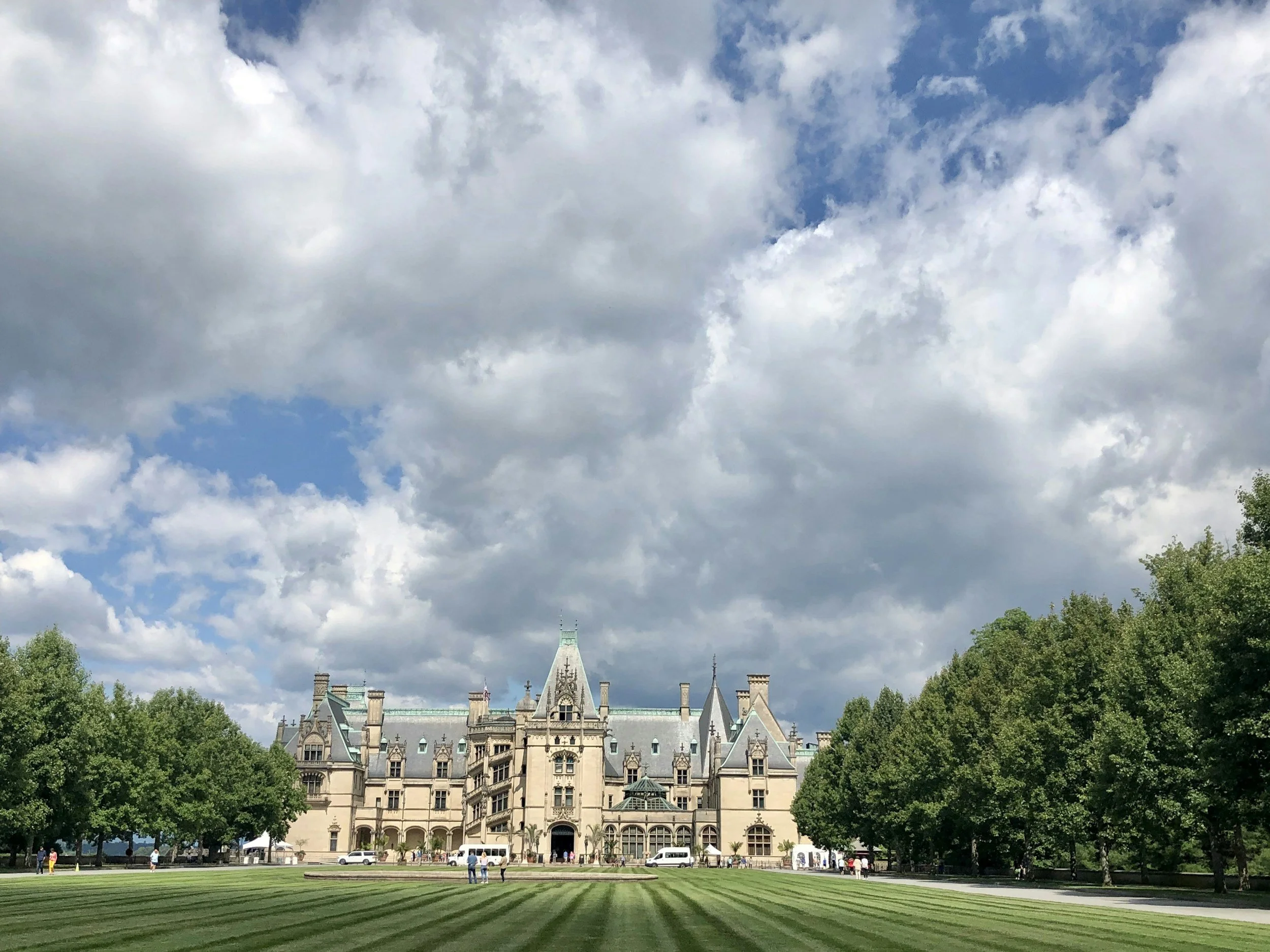
The Biltmore, Ashville, NC
Before wealth, business, and legacy, there was a beginning. Too often, families forget their roots. Many started with humble origins, often in a small shop or farm, which once fostered resilience and harmony. However, as layers of success and luxury accumulate, this sense of unity begins to fade. Some families shield the next generation from facing the struggles they endured. But as wealth grows, so does the detachment between generations one, two, and three and between values, purpose, and pride. What started with hard work and collective sacrifice can turn into extravagance and entitlement. When a family builds wealth, history, or a legacy through hard work, they rarely imagine it could all vanish within a few generations. When the next generation no longer remembers the struggle that sparked it all, the foundation that supported the fortune quietly erodes.
As a hobby historian and avid biography bookworm, I enjoy exploring the history of famous families to learn their lessons of success and failure. Knowing my own family's business story while building our new one, I try to understand what keeps families together or what leads to their downfall. A family I especially enjoy researching is the Vanderbilts.
The family’s founder, Cornelius “Commodore” Vanderbilt (1794–1877), started as a simple ferry operator on Staten Island, where he was born. Although they became one of America’s wealthiest dynasties, Cornelius’s descendants lost touch with the family’s roots in hard work as they built the railroad empire. By the 1970s, prosperity had become diluted, and the family name was more closely associated with museum mansions than with a shared legacy. If you have ever visited The Biltmore, George Vanderbilt's lavish home in Asheville, North Carolina, you would likely assume it was a display of wealth characteristic of the early Gilded Age (1870-1900).
In reality, George, the youngest grandson of Cornelius, wanted to escape the social competition of New York, where his siblings built mansions on Fifth Avenue and cottages at Newport. He abandoned society parties to live among nature and the clean air of the Blue Ridge Mountains. His elaborate estate demonstrated that wealth could be used as a tool to promote art and natural beauty, not just for status. He invested his money in a different purpose, pursuing a life focused on art and conservation.
On the other hand, George’s older siblings, the Vanderbilt descendants, did not find their own purpose for their capital; their narrative shifted from their predecessors' building enterprises to spending among their wealthy social circles. They were passive heirs, relying on interest and dividends, which made them vulnerable during the 1929 stock market crash. The crash exposed the third and fourth generations living in excessive luxury. Their decline didn’t happen overnight, but over the next several decades. Although their name still held the prestige of their pedigree, the money was no longer there. Even George’s estate suffered during the Great Depression. The family struggled with the enormous operating costs, forcing his daughter, Cornelia, to open the private residence to the public. In fact, at a family reunion in 1973, not a single Vanderbilt was a millionaire. Including Carnelia, who, as the sole heir of the Biltmore, failed to make the estate financially viable, costing more than the trust income could support.
However, one of the Vanderbilt descendants had a different final outcome. Gloria Vanderbilt's comeback is worth noting. If you recall the late 1970s, she founded the Gloria Vanderbilt jeans brand. She inherited a prestigious name and then gave it new meaning. She lost her initial inheritance from her family trust, but then reinvented herself as a prosperous brand. Lacking financial savvy, she again lost everything due to fraud and poor oversight. After four marriages, she regained millionaire status following not one, but two failures. She refused to declare bankruptcy, instead paying debts and rebuilding modestly through her art and books. After the suicide of her son, she vowed not to burden her other sons with the family wealth, not out of spite, but rather to encourage them to make it on their own. Unlike Gloria’s ancestors, she earned her own money, and it is this story she passed along to her children about resilience and not dependency.
The Vanderbilt saga reminds us that wealth without purpose is fragile. From Cornelius’s grit to George’s pursuit of beauty and Gloria’s resilience, each chapter shows that fortune alone cannot sustain a legacy; values and adaptability must. Families who remember their origins and embrace reinvention stand a better chance of preserving not just their wealth, but their identity. In the end, it is not the mansions or the millions that endure, but the stories and principles that shape generations.