

After a funeral, the impact of a loss is felt. It is the realization that the matriarch is gone. The person who held the family together, their values, their traditions, and the family harmony. Typically, she is the quiet strength and backbone of the family. However, when you have a family enterprise, not just the business is affected; family harmony is, too. What once may have been a unified front may buckle under pressure. Disagreements can erupt over how to handle property and business interests. One branch may want to sell; another insists on keeping it to continue the legacy. Without a shared governance system guiding stewardship, the conflict often ends in lawsuits and fractured relationships.
Here is the story of my family business matriarch, Maryanna Rataczjak, and the impact of her loss on the family and the enterprise. An immigrant from Poland with no proficiency in English, she purchased land in 1908 along with her son, Albert. Maryanna completed the loan payment for a plot of land adjacent to their house, allowing them to begin construction of an Ice Cream Parlor. By 1913, the store was open, with A. Ratajczak being the name behind the brand.
During a period when credit was limited and hard to obtain, understanding exactly how they managed their finances is fascinating. The oldest, Albert, was 23 years old and employed at Chicago Hardware. Michael, his younger brother, was 21 and also worked there, contributing to the household income. The girls, Madaline and Kathryn, were seamstresses at the Wrapper Factory, where they stitched women’s house dresses under the “Morning Glory” brand. The youngest, Charlotte, was still in school, but she too would soon be expected to contribute. They pooled their earnings together to pay the general contractor responsible for their project. The property was completely paid off, with no mortgage, and the family had saved the full $4,000 (about $130,000 today) at the North Chicago Savings and Loan, demonstrating their careful financial planning and hard work.
The store, located in the heart of a hardworking Polish community, showed signs of wealth within the immigrant population. The neighborhood could afford more than just bread, meat, and clothing. People began buying sweets, tobacco, and reading materials, which were considered leisure items, and perhaps, Maryanna thought, the family could make a living selling them as well. The family worked long hours for little or no pay, allowing the small profits to stay in the business. They guided the business toward success by investing their time, energy, and money, with Maryanna providing strong but silent support.
But a mere four years later, the War to End All Wars began, and Al went off to fight, leaving the women to serve as loyal stewards of the store, the backbone of the business. With Maryanna's direction, little changed with the perceived patriarch gone. When he returned, the business continued to prosper. In the twenties, during prohibition, the business, along with the American economy, roared. Al, with his flapper girlfriends, bought fancy clothes, cars, and other luxuries. The youngest of Maryanna’s daughters, Charlotte, my grandmother, had an elaborate wedding for that era. And they were able to strategically purchase other properties as investments, developing a communal lifestyle.
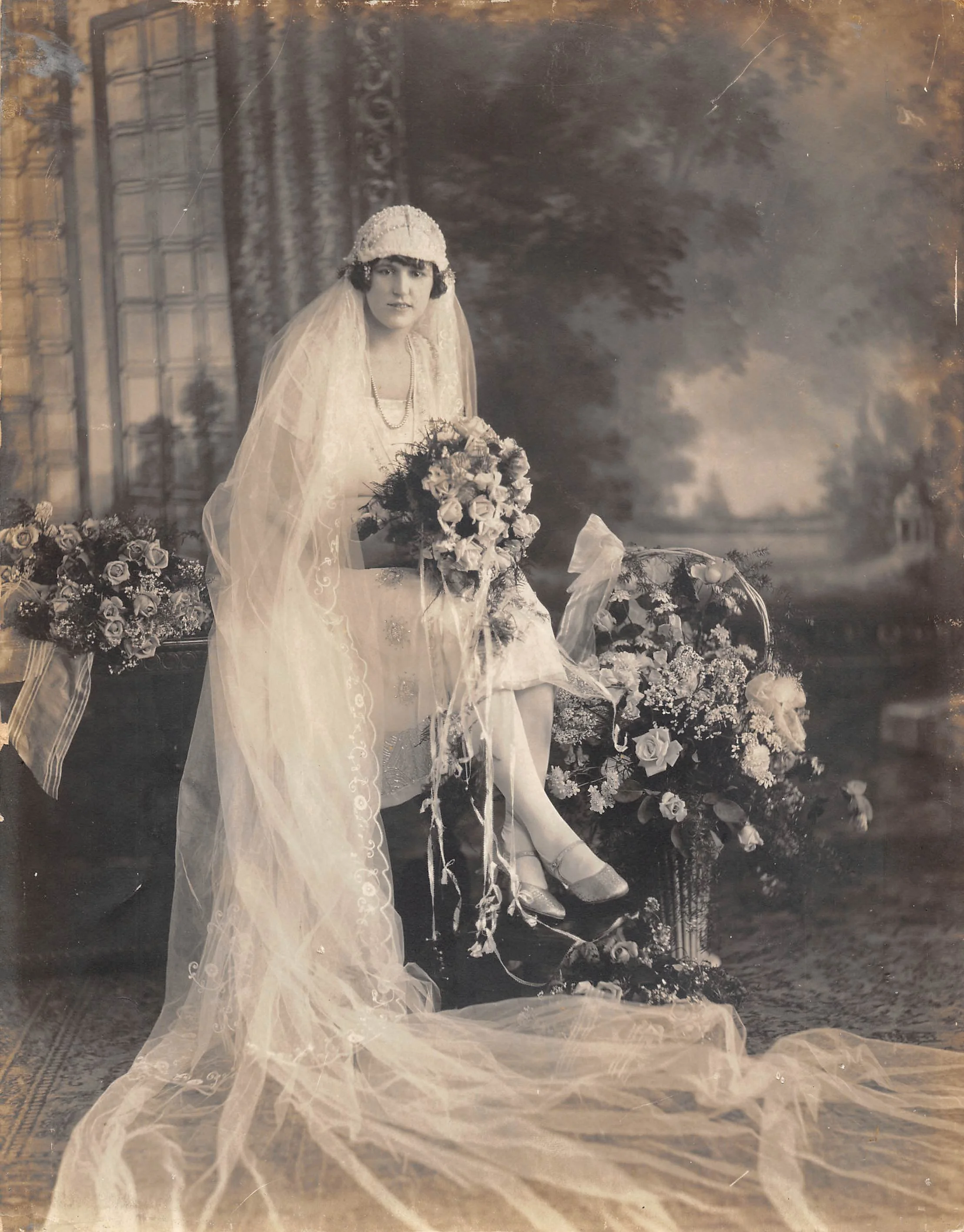
Charlotte Rataczjak’s wedding
However, when the depression hit, so did the death of Maryanna, the strength of the family. Was her heart attack caused by the business challenges of reduced consumer demand and significant financial pressure that occurred during the Great Depression? We will never know. Fortunately, the communal life she developed for her family kept them afloat through the 1930s.
They had personal access to food and clothing through the family business. Maryanna’s children and grandchildren grew, and the third generation worked in the store that Al and Maryanna had founded. The end of the 30’s depression found the families living much the same. No growth, but also no visionary decisions from Maryanna. What happens to the family stewardship when the heart of the family is gone? They maintained their core values of faith, hard work, and family, but this marked the first stage of a typical Family Business Life Cycle, signaling the shift to the second generation and the emergence of a more complex family dynamic.
The story of Maryanna Rataczjak and her family enterprise illustrates the profound influence a single individual can have on both family unity and business success. Her resilience, foresight, and commitment laid the foundation for a thriving enterprise and a close-knit family during times of prosperity and hardship. Yet, her passing revealed a critical truth: without structured governance and shared stewardship, even the strongest family businesses can face fragmentation. Maryanna’s legacy reminds us that while values like faith, hard work, and loyalty are essential, sustaining a family enterprise across generations requires intentional planning, collaboration, and adaptability. In the end, her life and leadership serve as a timeless lesson in the intersection of family, business, and legacy.