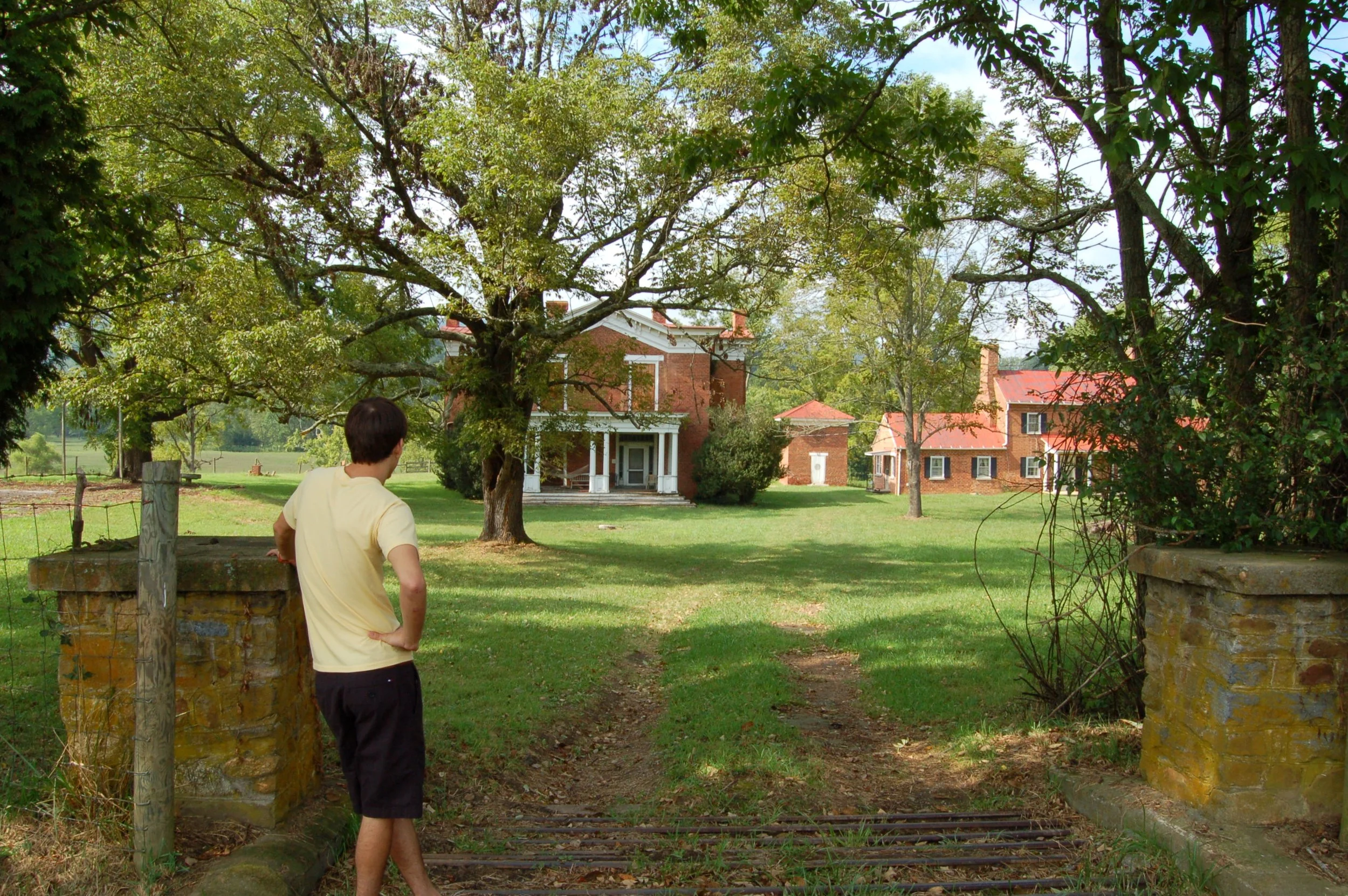
Belle Hampton, our cherished farm, was teetering on the brink of being sold—potentially to a developer, and certainly outside our family circle—until we made a decisive move. While our cousin was compelled to sell due to financial pressures, our decision to buy was driven by deep emotional ties. We jumped in without a clear plan, a choice I would not recommend. Reflecting on a decade later, we are grateful for how everything has unfolded. Still, I would advise families to consider a different approach when managing their farms.
Across the United States and beyond, family farms hold more than just agricultural value — they represent heritage, memories, and a way of life that has been passed down through generations. However, with increasing urban development, fluctuating market conditions, and the complexities of family succession, many farm owners are faced with a daunting question: is it worth preserving the family farm?
A well-thought-out preservation plan can be the key to maintaining your farm's legacy while also ensuring its long-term viability. Whether you're motivated by emotion, economics, or a combination of both, understanding how to protect your family farm begins with recognizing its true value and the challenges it faces today.
Understanding the Value of Your Family Farm
Before making a decision about preserving your family farm, it's important to assess what makes it valuable — not just in monetary terms, but in historical, agricultural, and environmental contexts.
Historical and sentimental significance
Many family farms have been in operation for decades, even centuries. They often hold deep emotional roots and serve as the backdrop for countless family memories. This historical continuity can become a powerful motivator for preservation.
Agricultural productivity and potential
If your land remains fertile and productive, it has ongoing value not only to your family but also to the larger food system. Evaluating soil health, crop diversity, and yield trends can help you determine the farm’s operational strength.
Environmental and ecological contributions
Family farms often support biodiversity, act as carbon sinks, and protect water sources. In an era of climate change and ecological degradation, the role of sustainable farming practices on these lands becomes even more significant.
Common Challenges Facing Family Farms Today
Even the most successful family farms are not immune to the growing pressures in today’s agricultural landscape. Understanding these challenges is crucial to building an effective preservation strategy.
Financial struggles and debt
Rising costs of equipment, labor, and inputs often lead to mounting debts. Without adequate profitability, maintaining a family farm can become financially unsustainable, forcing many families to consider selling off land or operations.
Generational transitions and inheritance conflicts
Passing a farm from one generation to the next is rarely simple. Differing visions, sibling rivalries, and lack of interest from younger members can complicate succession planning and ownership structures.
Urban sprawl and zoning pressures
As cities expand outward, farmland is increasingly at risk of being rezoned for development. Attractive buyout offers from developers may make selling seem like the easier option, even if it’s not aligned with the family’s long-term goals.
Assessing Your Farm’s Long-Term Viability
Before committing to preserving your farm, it’s essential to evaluate whether it has the capacity to sustain itself — economically, environmentally, and structurally — into the future.
Soil health and sustainability practices
Healthy soil is the backbone of any successful farm. Conducting soil tests and reviewing current conservation methods such as crop rotation, cover cropping, and water management can help you gauge the farm’s resilience.
Market access and profitability
A viable farm needs a reliable market. Consider whether you have easy access to buyers, whether through local farmers markets, regional distributors, or direct-to-consumer sales. Profitability assessments should include input costs, yield data, and pricing trends.
Infrastructure and modernization needs
Outdated equipment or poorly maintained infrastructure can limit efficiency and growth. Identify the necessary improvements — such as irrigation systems, barns, fencing, or digital technologies — to modernize your operation for continued success.
The Emotional Factor: What Does the Farm Mean to Your Family?
Preservation decisions are rarely made solely on logic — emotional ties often weigh just as heavily. Family farms are deeply rooted in identity, tradition, and personal history.
Family traditions and legacy
For many families, the farm represents shared history — annual harvests, generational milestones, or even a family surname etched into a barn wall. These emotional connections can strengthen your motivation to preserve the land, even during difficult times.
Sentimental attachments vs. practical considerations
It's important to balance your emotional attachment with practical realities. Ask yourself: Is holding onto the farm enriching your family’s life, or is it creating stress and division? Emotional value should be respected, but it must coexist with clear, sustainable plans.
Legal and Financial Considerations for Farm Preservation
Once you've made the emotional and operational case for preservation, you must turn to the legal and financial mechanisms that will make it possible. Proper planning now can save immense stress and expense down the road.
Estate planning and wills
Without a formal estate plan, farms can become the center of disputes or be lost due to inheritance taxes or unclear ownership. Creating a comprehensive will is the first step in securing a structured transition.
Trusts, LLCs, and legal structures
Many farm owners opt to place their land into a trust or form an LLC to better manage ownership, liability, and succession. These structures can simplify future decision-making and provide tax and legal benefits.
Tax implications and conservation easements
Explore federal and state tax incentives designed to support land conservation. Conservation easements, for example, can offer tax breaks while ensuring that the land is never developed, even if sold.
Creating a Vision: What Do You Want the Future to Look Like?
Once you’ve assessed the current state of your family farm, the next step is to define a clear vision for its future. A well-defined vision helps guide your decisions and ensures that all involved parties are aligned.
Farming vs. leasing vs. selling
Determine whether your family wants to continue active farming, lease the land to other farmers, or pursue another arrangement. Each path has its own financial, operational, and emotional implications.
Roles of future generations
Consider who will be responsible for day-to-day management and long-term decisions. Some family members may want to take an active role, while others may prefer to be silent stakeholders. Identifying these roles early can prevent future conflicts.
Sustainability and innovation goals
Many preservation-minded families also seek to make their farms more environmentally and economically sustainable. This may include transitioning to organic practices, investing in renewable energy, or exploring agri-tourism as a revenue stream.
Engaging the Next Generation
No preservation plan can succeed without the involvement of future stakeholders. Encouraging interest and preparing the next generation are critical components of long-term viability.
Gauging interest and commitment
Start conversations early to understand who in the family is genuinely interested in taking the farm forward. Be open to non-traditional roles — such as marketing or technology — that align with younger family members’ skills.
Education and training opportunities
Support aspiring farmers in gaining the education they need through agricultural degrees, internships, and mentorships. Knowledge of business, technology, and sustainable practices is as important today as fieldwork.
Shared decision-making processes
Creating a formal decision-making structure gives everyone a voice while maintaining clarity and order. Regular family meetings, advisory boards, or written agreements can help keep operations and relationships healthy.
Preservation Tools and Resources Available
Fortunately, there are numerous tools and organizations dedicated to helping families preserve their agricultural heritage. Utilizing these resources can significantly ease the process.
Land trusts and conservation organizations
These groups can work with you to place permanent easements on your land, protecting it from development while still allowing agricultural use. Some may also provide funding or technical assistance.
Government grants and USDA programs
Federal and state programs offer financial support for conservation, infrastructure upgrades, and education. The USDA’s Farm Service Agency (FSA) and Natural Resources Conservation Service (NRCS) are valuable starting points.
Local cooperative extension offices
Many communities have extension agents who provide hands-on guidance, workshops, and one-on-one support for farm planning, financial management, and succession planning.

“As God is my witness, I will preserve this land.”
Building a Step-by-Step Preservation Plan
Preserving your family farm requires more than just good intentions — it takes a structured, actionable plan. Here’s how to get started on building a roadmap that reflects your values and goals.
Setting clear goals and timelines
Start by defining short-term and long-term objectives. Do you want the farm to remain operational for the next five years? Fifty? Setting specific benchmarks, like completing an estate plan or upgrading infrastructure within a year, helps track progress.
Gathering the right professionals
Work with experienced advisors, including estate attorneys, family enterprise consultants, accountants, and land planners. A well-rounded team ensures all legal, financial, and operational considerations are addressed cohesively.
Regularly reviewing and adjusting the plan
A preservation plan isn’t a one-and-done document. Schedule annual reviews to assess whether goals are being met and make adjustments based on new family dynamics, market conditions, or policy changes.
What Happens if You Choose Not to Preserve the Farm?
It’s also important to consider the implications of inaction. Choosing not to preserve your family farm can lead to outcomes that may have lasting financial and emotional consequences.
Financial outcomes
Selling a farm may offer immediate liquidity, but it can come at the cost of losing a long-term asset. Moreover, failure to plan can result in hefty estate taxes or forced liquidation to pay off debt.
Emotional and legacy impacts
Many families experience regret after selling a farm that has been in the family for generations. The emotional toll of losing a shared identity or a physical space where memories were made can linger for years.
Land use consequences
Without preservation efforts, your farmland could be rezoned and developed into subdivisions or commercial projects. This not only erases agricultural value but also disrupts local ecosystems and food systems.
Final Checklist for Farm Preservation Planning
Before you consider your preservation strategy complete, review this final checklist to ensure all critical elements are in place:
· Legal readiness: Have you established a will, trust, or other legal structures? Are all deeds and titles up to date and clearly worded?
· Financial documentation: Do you have accurate, current records of all assets, liabilities, income, and expenses?
· Family alignment and agreements: Has your family discussed the future of the farm? Are their roles and expectations documented and agreed upon?
This checklist will serve as your safeguard against potential oversights and help keep your vision on track.
Conclusion: Preserving More Than Land—Preserving a Way of Life
Saving a family farm isn’t just about protecting property — it’s about honoring a heritage, sustaining a livelihood, and investing in future generations. With a clear vision, honest conversations, and a thoughtful preservation plan, you can ensure your farm’s story continues for decades to come.
Don’t wait for uncertainty or conflict to force your hand. Begin today, and take the proactive steps needed to secure your legacy. Because preserving your family farm means preserving your family's future — one field, one decision, and one generation at a time.
Contact madeline@belle-hampton.com for more information.