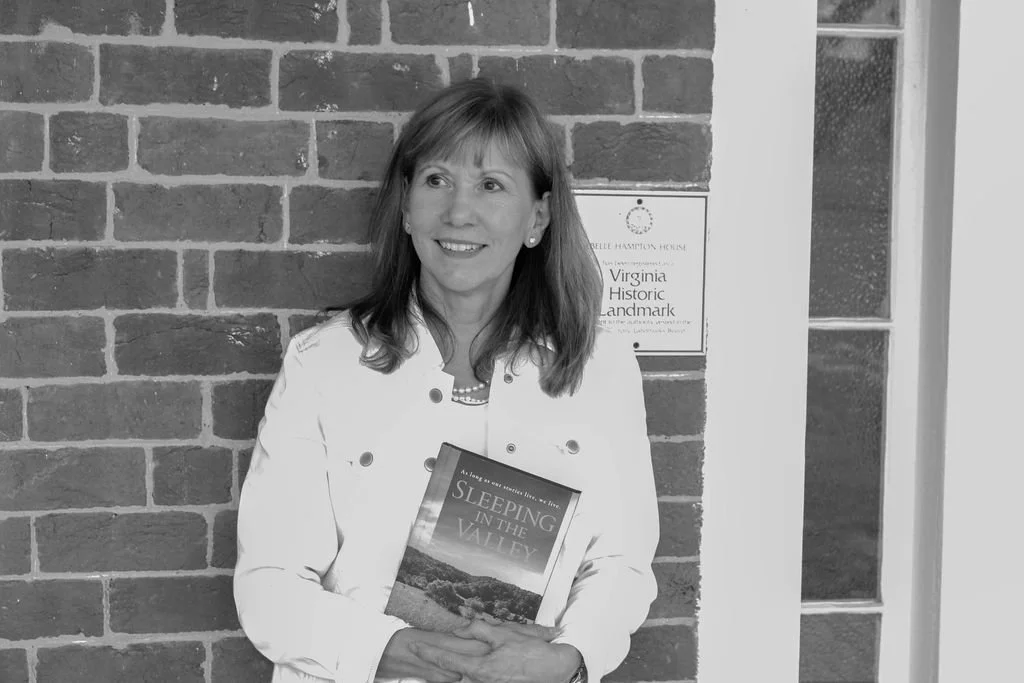

Madeline in Poland in 1977
A Personal Bridge Between Two Worlds
In the 1970s, my family in America maintained a lifeline to relatives in Poland. It wasn’t just letters (though those were heavily censored); it was packages of clothes with American dollars sewn into hems — a quiet act of defiance against the economic stranglehold of the communist regime, which at the time was firmly under the thumb of the Soviet Union.
When letters came back from Poland, they often looked like they’d been through battle — whole sentences neatly cut out, like someone had taken a razor to our conversations. It wasn’t paranoia. It was censorship, pure and simple, enforced by a government that answered directly to Moscow’s interests.
My 1977 Visit — Tanks and Grey Streets
When I visited Poland in 1977, it felt like stepping into a different universe. Tanks weren’t just in newsreels — they were rumbling down the streets. Nobody dared say a bad word about the government, not in public, not even in a whisper. People didn’t just mind their own business; they guarded their words like treasure.
The streets and markets lacked color — literally. Clothing came in shades of grey, brown, and black. No bright reds, no sunny yellows, no lively patterns. Fashion under communism, as dictated by Soviet-influenced production, was more about uniformity than self-expression.
This was a stark contrast to my attire of pristine white painter’s pants and a vibrant red windbreaker, making me distinctly noticeable amidst the dreary, grey streets of Krakow.
The Political Climate Under Edward Gierek and Soviet Oversight
At the time, Poland was under the leadership of Edward Gierek, who took over as First Secretary of the Polish United Workers’ Party in 1970. But make no mistake — while Gierek was the face of the Polish government, real power was heavily influenced, and often dictated, by the Soviet Union. Poland was a satellite state in the Eastern Bloc, bound to follow the political and economic direction set by Moscow.
Initially, Gierek borrowed heavily from Western banks to boost the economy, hoping to modernize Poland’s industry and living standards. But loans come with interest, and by the mid-1970s, debt was piling up. Production couldn’t keep up, shortages worsened, and inflation quietly gnawed away at people’s purchasing power. The government, under Soviet-style central planning, leaned harder into censorship, propaganda, and control.
State-Run Grocery Stores — Abundance in Theory, Scarcity in Reality
Shopping in Soviet-controlled Poland was vastly different from the experience in the United States. Grocery stores were all state-run, and walking into one meant bracing yourself for disappointment.
Shelves might hold a single brand of canned goods, a few dusty jars of pickles, or nothing at all. Meat lines could stretch around the block, and it wasn’t unusual to stand in line for hours only to be told the stock had run out.
When our Polish relatives came to visit America, they were stunned — not just by the amount of food in our stores but by the variety. Rows of fresh produce, endless shelves of cereal, and shopping carts brimming with options they couldn’t imagine having back home. They’d walk through department stores in disbelief, touching fabrics and colors they hadn’t seen in years, if ever before.
During the pandemic, I felt like I was back in Poland, with those empty grocery store shelves. And when I hear about New York’s political candidates talking about city-run stores in the US, I shudder. I’ve not only heard about these, but I've seen them firsthand. Newsflash, they don’t work.
The Black Market — Poland’s Quiet Open Secret
Officially, foreign currency exchange was tightly controlled. Unofficially? The black market kept people alive. In Soviet-dominated Poland, U.S. dollars were worth their weight in gold — not for holding, but for trading.
During our visit, we exchanged money on the black market, just like everyone else. The official rate was laughable compared to what you could get quietly on the side. We also brought something even more valuable than cash — jeans. Denim was practically impossible to find in Poland, and owning a pair of American jeans was like having a small piece of freedom you could wear.
Amid the current controversy of Sydney Sweeney on her potential connection to eugenics and white supremacy, I laugh. Literally, jeans were considered as American as apple pie over there. It represented freedom, not fascism. It stood for the American dream.
Media Then vs Now
Back in the 1970s, my relatives in Poland clung to any scrap of uncensored truth they could find. A smuggled newspaper, a faint radio signal from Radio Free Europe, even word-of-mouth from someone who’d just come back from abroad — these were lifelines. Information wasn’t just news; it was a form of freedom.
When they visited us in America, they were stunned that we could walk into a store and buy any newspaper, flip through uncensored magazines, or watch television channels that openly criticized the government. They’d shake their heads and tell us never to take it for granted.
Today, I think about those conversations whenever I scroll through my phone or flip between news channels. In Poland’s 1970s media, the truth was hidden. In today’s America, truth competes with half-truths, misinformation, and opinion dressed up as fact. The freedom to access information remains — but the responsibility to find and recognize it rests with us.
It’s a lesson from Soviet-controlled Poland that still holds weight: if you stop questioning the narrative, you’ve already given someone else control over your reality.
Everyday Life — Quiet Resistance and Adaptation
Despite the shortages, people found ways to make do. They traded goods with neighbors, repurposed clothing, and grew their own food when possible. Humor, faith, and family ties kept people going.
In many ways, the very act of survival was a quiet form of resistance. People learned to say one thing in public and another in private. They found ways to bend the rules without breaking them outright.
This makes me think about the “woke” culture in the United States. If you say the wrong thing in public or on social media, you might be called a racist. Many people have lost their reputation, jobs, and businesses because of what they said. As a result, people, similar to those in Poland in the 1970s, stay quiet in public.
The Road Toward Change
By the late 1970s, discontent in Poland was growing. Workers’ strikes over rising food prices and poor working conditions planted the seeds of a movement that would soon shake the regime. In 1980, the Solidarity trade union was born in the Gdańsk Shipyard, marking the beginning of the end for communist rule in Poland.
My memories of Soviet-controlled Poland in the 1970s are of a country under tight control — a place where survival depended on silence, creativity, and connection to the outside world. But even then, you could feel the quiet rumble of change beneath the surface.
Conclusion
Looking at modern times, the lesson is clear: when a government becomes too powerful and controls too much of the economy, media, and daily life, it risks suppressing innovation, individuality, and truth itself. Today, some social democrats in America advocate for greater government involvement in areas such as healthcare, education, and economic equality — goals that, in theory, differ from those of Soviet-style authoritarianism. But in reality, history reminds us that there’s a fine line between using government to protect freedoms and allowing it to gradually erode them.
The Poland I saw in the 1970s shows what happens when that balance is lost. Good intentions can be overtaken by central planning, dependency, and political conformity. Modern societies, no matter their ideology, have to safeguard against the temptation to silence opposing views “for the common good.” Because once control over speech, markets, or media is consolidated, getting it back is far harder than giving it away.