Beyond Inheritance: Stewarding the Family Farm for Generations
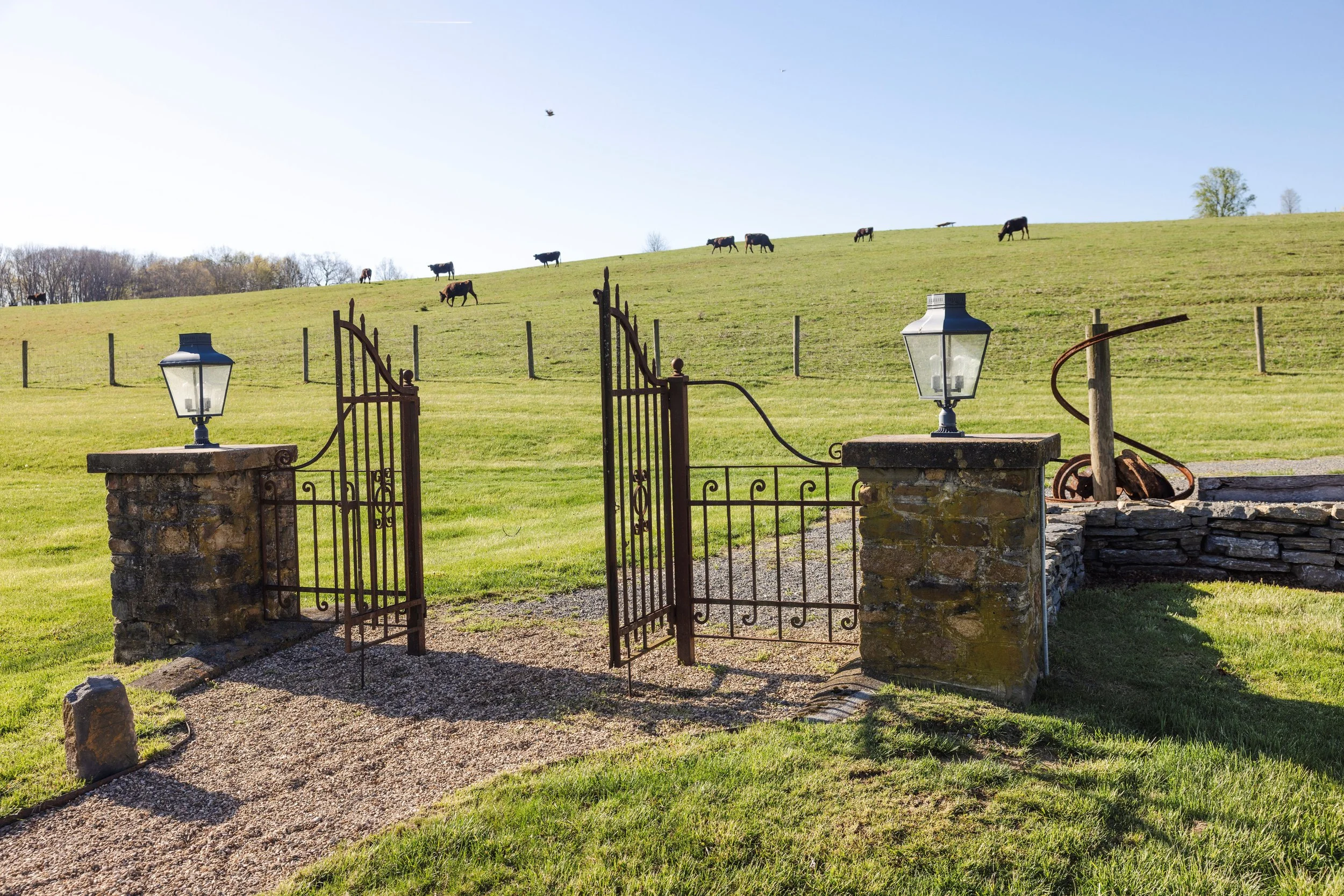
Belle Hampton Farm
A family farm is never simply a collection of fields, buildings, equipment, and financial assets. It is a living enterprise shaped by the work, decisions, sacrifices, and aspirations of the people who came before us.
In American Family Farmland: Preserving Values & Creating Wealth, Johnny Klemme encourages landowners and heirs to approach inherited farmland with clarity and intentionality. The book is written for families facing significant decisions about whether to retain, sell, transition, or reimagine their land. Its values-first perspective recognizes that farmland carries economic, emotional, relational, and legacy significance.
That distinction matters. Receiving land is an inheritance. Preparing to care for it is stewardship.
The Farm Is Both an Asset and a Responsibility
When farmland passes from one generation to another, families often begin by discussing acreage, appraisals, taxes, operating agreements, and ownership percentages. These matters are important, but they represent only part of the transition.
Before asking, “What is this land worth?” a family may need to ask:
What has this land meant to our family?
What responsibilities accompany its ownership?
What opportunities could it create for future generations?
What must we preserve, and what must we be willing to change?
The most consequential decisions about family farmland are rarely financial decisions alone. They are decisions about identity, relationships, purpose, and the future direction of the family.
Land may be inherited in a single legal transaction, but the wisdom required to steward it must be cultivated over time.
Belle Hampton Farm: A Legacy Preserved Through Action
Belle Hampton Farm offers a powerful example of the difference between merely inheriting property and actively stewarding a legacy.
Established in 1767 and held within the extended Hoge family for seven generations, the property has endured through periods of prosperity, uncertainty, transition, and renewal. At one point, the farmhouse stood boarded up, nearly abandoned, and at risk of leaving the family. Descendants ultimately came together to save and restore it.
The preservation of Belle Hampton did not happen simply because the family possessed a long history. It happened because members of the family made a conscious decision to accept responsibility for that history.
Today, the farm represents more than a preserved structure or agricultural property. It is becoming a place where families can learn about stewardship, leadership, family enterprise, generational continuity, and the “business of the family.” Its history is not being placed behind glass and left untouched. It is being used to educate, inspire, and equip others.
That is what living stewardship looks like.
It honors the past without becoming trapped by it. It protects what is valuable while creating new relevance for the future.
Ownership Does Not Automatically Create Stewardship
A person can own land without understanding it.
An heir may receive acreage but know little about the soil, tenants, leases, maintenance requirements, operating history, conservation needs, family relationships, or long-term vision connected to it.
This is why successful transition requires more than preparing documents. It requires preparing people.
Too often, the rising generation is informed about a family decision only after the plan has been completed. They may be handed ownership without context, responsibility without preparation, or expectations without a meaningful voice in the process.
Equipping the rising generation must begin long before a transfer occurs. Family members need opportunities to learn:
Why the land matters to the family.
How the property is operated and maintained.
What financial obligations accompany ownership.
How decisions are made.
Which family values should guide future choices.
How individual interests can coexist with collective responsibility.
The goal is not to require every descendant to become a farmer. The goal is to help each person become an informed and responsible steward.
A family may include farmers, entrepreneurs, educators, conservationists, historians, investors, and family members living far from the property. Each may contribute differently. Stewardship becomes stronger when a family recognizes these different forms of participation rather than defining commitment too narrowly.
Begin the Conversation Before the Crisis
Important farmland decisions are often postponed because families fear disagreement. Parents may avoid the subject because they do not want to create conflict among their children. Siblings may make assumptions about one another’s intentions. Farming heirs and non-farming heirs may develop very different ideas about what is fair.
Silence, however, does not preserve harmony. It allows assumptions to harden.
Healthy families create structured opportunities to discuss the future of the land before a death, financial crisis, health emergency, or unexpected offer forces an immediate decision.
These conversations should move beyond the question of who receives what. Families also need to explore:
What does equitable treatment mean when family members have contributed differently?
Who is willing and qualified to assume leadership?
How will non-operating owners remain informed?
What happens when a family member wants to exit?
Which decisions require family agreement?
Under what circumstances would the family consider selling or changing the use of the property?
What is the family ultimately trying to preserve?
A skilled family business consultant, facilitator, attorney, accountant, land advisor, or agricultural specialist may help the family separate emotional concerns from technical questions. Professional advisors cannot determine a family’s values, but they can help translate those values into workable structures and decisions.
Preserve the Purpose, Not Merely the Property
Keeping every acre indefinitely is not always the only responsible expression of stewardship.
For one family, stewardship may mean continuing agricultural operations. For another, it may mean leasing the land to a local farmer, establishing conservation protections, creating an educational enterprise, developing new agricultural ventures, or selling a portion of the property to strengthen the remainder.
The most faithful decision is not necessarily the one that leaves everything unchanged.
Stewardship asks whether a decision is aligned with the family’s values, responsibilities, resources, and long-term vision. It considers both the return on investment and the return on family, community, purpose, and life.
At Belle Hampton, preservation has been paired with education and innovation. The farm’s next chapter is not an attempt to recreate the eighteenth century. It is an effort to use centuries of family experience to help modern families build stronger futures.
This is an important lesson for every family enterprise: continuity does not mean resisting change. Continuity means carrying the family’s enduring purpose forward through changing circumstances.
The Questions Every Farm Family Should Ask
Families preparing for the future of their land should begin with questions deeper than ownership and valuation:
What story does this farm tell?
Which values have sustained it?
What knowledge exists only in the minds of the current generation?
Who needs to be included in the conversation?
How are we equipping the rising generation to participate wisely?
What responsibilities come with the privilege of ownership?
What would success look like 25, 50, or 100 years from now?
These questions do not guarantee agreement. They create a foundation for more thoughtful decisions.
Carrying the Legacy Forward
A farm can be transferred without transferring its meaning. Buildings can remain standing while family knowledge disappears. Land can stay within a family even as relationships deteriorate and purpose is lost.
For a legacy to endure, each generation must do more than receive it. Each generation must understand it, strengthen it, and prepare it for those who will follow.
The future of America’s family farmland will depend not only on estate plans, land values, and agricultural markets. It will depend on whether families are willing to communicate honestly, develop capable leaders, equip the rising generation, and embrace stewardship as an active responsibility.
Belle Hampton Farm stands today because one generation chose not to allow the story to end with them.
Every family entrusted with land eventually faces the same question:
Will we simply pass down the property, or will we prepare the people who must carry its purpose forward?
