
Strengthening Families in an Age of Entitlement: A Guide to Resilience
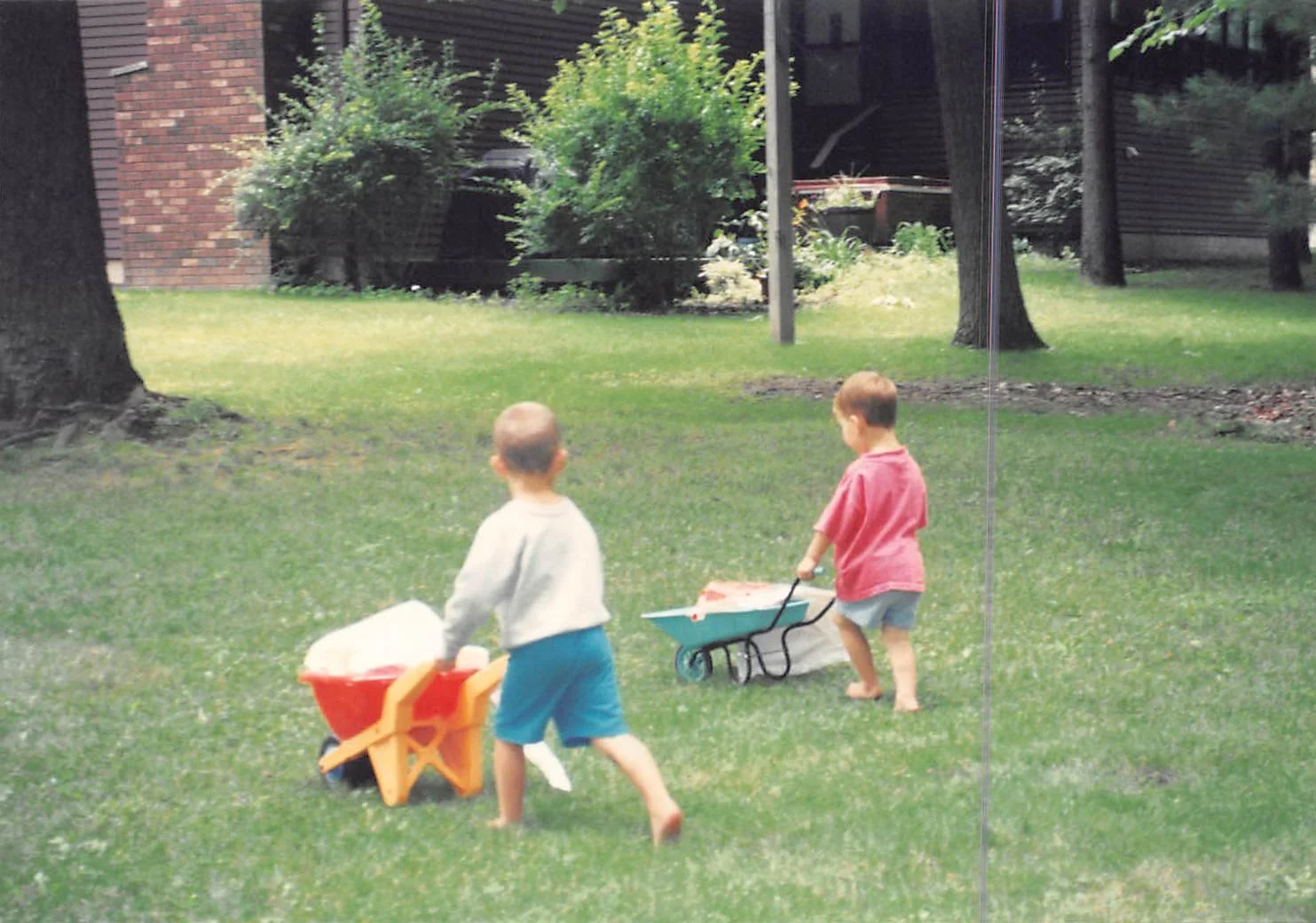
Kids helping with chores
Introduction
In the past, particularly in the 1960s, children were expected to prove their value. My parents required us to complete our weekend chores before we could go out to play. They also checked if we had finished our homework after school. Growing up in a family business, we were expected to work regular hours before or after school to help. Tasks included cleaning the shelves, taking inventory of the products, running the cash register, and making deposits to the bank. They never asked me how I felt about contributing to the family, and I never asked why I had to work in the business or do chores because I knew the answer: "That is your job."

Growing up in the 1960s
In today’s rapidly changing world, the dynamics within families are shifting. With the rise of entitlement—a mindset marked by the belief that one deserves certain privileges or advantages—parents face new challenges in raising children who are emotionally strong and adaptable. Now more than ever, it is crucial to build resilient families that can thrive in the face of adversity, nurturing individuals who are capable, empathetic, and grounded. Resilience and strong family values are the key to preparing future generations for life’s uncertainties.
Understanding Entitlement in Today's Society
Parents often have high expectations of themselves, which can lead to kids feeling entitled. The terms "helicopter" or "bulldozer" parent are commonly used to describe parents who try to control their children's lives. We want our kids to have a positive and carefree childhood, so we sometimes try to shield them from negative experiences and solve all their problems. This can include packing their lunch, organizing their backpack, and even innocently doing their homework to ensure they get good grades. In doing so, parents may inadvertently prove their worth to their kids instead of vice versa.

"Why can't I get a new phone when all my friends have one?" This is a common question. Most kids today have a smartphone by the time they are 10 or 11. Some as early as eight years old. When we ask parents why they gave their child a phone, most site the reason as peer pressure. And the pressure is not necessarily by the child’s peers, but by other parents. Or as I did, I used the excuse it was for safety reasons. Although I never had the tracker app on my kid’s phone, many parents do.

And don’t get me started on parties. I remember my childhood birthday parties if I even had one. They were simple, with just a cake, streamers, and balloons. We used to play games like "Pin the Tail on the Donkey" or "Musical Chairs." But nowadays, birthday parties have become more extravagant. They are no longer held at home but at venues like trampoline parks or theme parks. It seems like the focus is more on impressing other parents rather than the kids themselves. Parents want to throw the most extensive and elaborate parties for their children. They feel they aren’t being a good parent unless they succumb to the pressures of big bash parties.
The Importance of Building Resilient Families
Resilience is the ability to recover from setbacks and adapt to challenging situations. For families, resilience means cultivating an environment where each member is equipped to handle adversity with strength and perseverance. This capacity to bounce back is essential not only for facing external challenges but also for fostering strong relationships within the family. A resilient family provides support, instills a sense of purpose, and encourages each member to grow and thrive. In a world increasingly driven by entitlement, building resilient families is critical to raising children who are independent, responsible, and emotionally robust.

Unfortunately, many parents believe they are responsible for their children's emotional well-being. They praise their kids for minor accomplishments, such as finishing a meal or using polite language, which can diminish the value of actual achievements. Overpraising a child for incomplete or subpar effort on schoolwork or chores may prevent them from striving for improvement. Complimenting a child excessively for brushing their teeth, getting dressed, or making their bed when these are expected routines can result in a lack of confidence and risk aversion.
"Confidence comes from trying, learning, and using your failures as opportunities to improve. It’s the sense of accomplishment from having made the effort, regardless of the outcome, that builds true self-confidence." Gail Saltz, psychoanalyst, columnist, author
Good Enough Parenting
Reflecting on my experiences as a parent, I would say that I fall into the category of a "Bad Mom." Did I accidentally leave my son at school when he was in kindergarten? Did I allow my two-year-old son to rollerblade in the street? Were my boys in the emergency room so frequently that it seemed like a revolving door? Was I consistently late to pick them up from school or to their soccer games? And what about forgetting to wash their white uniforms before a big game? Yes, I admit to these and more mistakes I made as a mom.

Our son rollerblading
But I recently came across the concept of "Good Enough Parenting." This approach allows children to experience failure and develop resilience. It gives them the chance to bounce back from setbacks rather than feeling paralyzed by not knowing how to cope. For instance, when my son was accidentally left at school, he ended up having a great time at lunch with the first graders. My two-year-old learned to rollerblade alongside his older brothers, acquiring athletic skills without being overly protected. Even getting stitches or breaking bones didn't stop them from exploring and pushing their physical limits. My occasional tardiness taught them the importance of being punctual, and they quickly learned to do their own laundry when faced with a clean uniform requirement.
“I believe you can do hard things.”
Surviving my mishaps helped them develop resilience. Figuring things out for themselves gave them confidence and good self-esteem. I'm not suggesting neglect or allowing them to be in danger, but shielding them from the world prevents them from developing coping skills.
How Do I Know if I am Enabling Entitlement?
Detecting entitlement early is crucial to preventing its harmful effects from taking hold. In children, entitlement may manifest as a lack of gratitude, frequent complaints, or an expectation that their desires should be met immediately. Adults may exhibit similar traits, demanding excessive attention or expecting others to cater to their needs. Signs of entitlement within families often include conflicts centered on material goods, an unwillingness to compromise, and a lack of appreciation for the efforts of others. How do you know if you are fostering entitlement behaviors?

Here are some examples for younger children:
I constantly give my children what they want without teaching them to earn it.
I do their homework and class projects for them.
I solve their problems at school, with friends, and with siblings.
I don’t expect my child to do chores.
I constantly say how smart, beautiful, and talented they are.
I reward them even though they didn’t follow through so they don’t get upset.
For older children, here are some examples:
I was more invested in the college application process than my child.
I used my connections to ensure admission into a college they wouldn’t otherwise be eligible to enroll.
I take care of all the mundane tasks for my loved ones.
I have bailed them out of financial scrapes over and over.
I always buy the best for my child even if it cuts into my own budget.
I made excuses for my child’s failure to follow through on personal or professional obligations.
Combatting an Entitlement Cycle
One of the most effective ways to combat entitlement and build resilience is by fostering a growth mindset in children. A growth mindset encourages the belief that abilities and intelligence can be developed through effort, perseverance, and learning from failure. Parents can cultivate this mindset by praising effort over outcomes, encouraging curiosity, and helping children view challenges as opportunities for growth. Children who learn to embrace challenges and setbacks become more resilient and less likely to develop a sense of entitlement.
Gratitude is one of the most powerful antidotes to entitlement. Encouraging gratitude in family life helps individuals appreciate the effort and sacrifices made by others. Families can cultivate gratitude by regularly expressing thanks for both big and small gestures, engaging in acts of kindness, and practicing mindfulness. Simple activities like keeping a gratitude journal, volunteering as a family, or sharing daily reflections on what each member is grateful for can significantly shift attitudes away from entitlement and toward a more positive, resilient outlook.

Discipline plays a vital role in fostering resilience and countering entitlement. While some view discipline as merely punishment, it is, in fact, a tool for teaching responsibility and self-control. Setting consistent rules and expectations helps children understand the consequences of their actions, enabling them to make better choices in the future. When balanced with love and support, discipline instills resilience by helping children navigate challenges, learn from mistakes, and develop the strength to persevere.
Conclusion
Building resilient families is more important than ever in an age of entitlement. Resilience equips individuals with the emotional strength and adaptability needed to face life’s challenges, while entitlement weakens family bonds and undermines personal growth. By fostering a growth mindset, cultivating gratitude, and loving discipline, parents can shape a brighter future for their children. Resilient families not only survive adversity—they thrive, passing on valuable life skills that will benefit generations to come.