

Introduction: The Frustration of Reading Bad Books
As an author and avid reader, I have become frustrated with my recent book choices. Some were even recommendations from colleagues, but unfortunately, they disappointed me. After 22 hours of listening to an audiobook and waiting for it to improve, I had enough. Before I read the next book, I will assess it critically. I want to avoid books with authors trying to push specific agendas or political views leaning too heavily in one direction. I am looking for books in various genres that help me develop different forms of knowledge to enhance my personal growth and reach my full potential.
If you’ve ever attempted to find books to help you grow as a person, you know how frustrating it can be. Too often, you pick up a highly recommended title only to discover vague advice, impractical case studies, or repetitive anecdotes. Instead of providing actionable guidance, these books end up being a waste of your time.
The key to long-term success in personal or enterprise development lies in building various forms of capital: intellectual, human, social, spiritual, legacy, and financial. Creating a robust foundation for future generations requires the right resources. To make your search easier, here's a curated list of my top-tier books that cover each of these critical forms of capital.
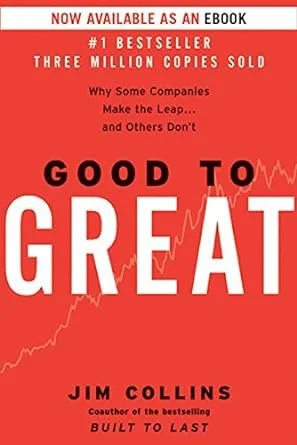
Intellectual Capital – "Good to Great: Why Some Companies Make the Leap... and Others Don’t" by Jim Collins
Why You Should Read It:
Intellectual capital is the knowledge, innovation, and insights fueling your family and enterprise. In "Good to Great," Jim Collins explores what separates good companies from great ones. Although not explicitly focused on family businesses, this book provides invaluable lessons on how intellectual capital—strong leadership, disciplined strategy, and a focus on what your business can excel in—can transform a company into an industry leader. Collins’ insights into the "Hedgehog Concept" and the importance of confronting brutal facts will help you sharpen your family’s intellectual assets for long-term success.
Key Takeaway:
Building intellectual capital requires focused leadership, disciplined decision-making, and a relentless commitment to innovation and operational excellence.
Human Capital – "Creating Your Best Life: The Ultimate Life List Guide" by Caroline Adams Miller and Dr. Michael B. Frisch

Why You Should Read It:
Human capital is the talent, skills, and well-being of everyone in your family. "Creating Your Best Life" is a practical guide to setting and achieving life goals, which is crucial for personal and professional development. This book focuses on the science of positive psychology and its role in helping people reach their full potential. Applying its principles in your family can foster motivation, resilience, and personal growth, ensuring you and your family members become the best they can be.
Key Takeaway:
Developing human capital requires nurturing personal growth and emotional well-being. Motivated, goal-oriented individuals are critical assets to any development.
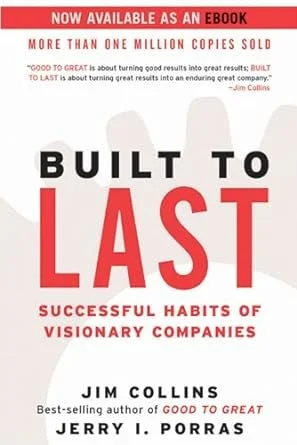
Social Capital – "Built to Last: Successful Habits of Visionary Companies" by Jim Collins and Jerry I. Porras
Why You Should Read It:
Social capital refers to the relationships, networks, and trust your family enterprise builds within the community and industry. "Built to Last" is another excellent book by Jim Collins and Jerry I. Porras about how visionary companies create lasting social capital. Through shared values and enduring relationships, these companies become pillars of their communities, earning trust and respect that help them thrive for generations. Family enterprises, too, can benefit from a similar approach by creating a solid culture that connects the business with its community.
Key Takeaway:
A family that values strong relationships—inside and outside the enterprise—builds social capital that can sustain it through challenges and change.
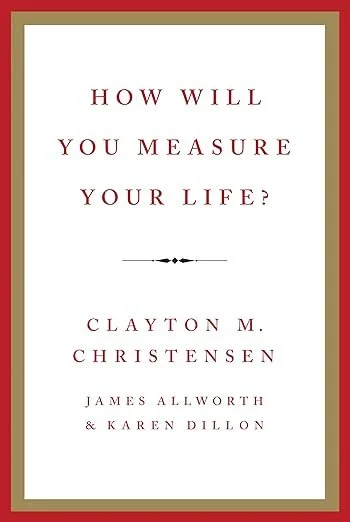
Spiritual Capital – "How Will You Measure Your Life?" by Clayton Christensen
Why You Should Read It:
Spiritual capital goes beyond profits, focusing on values, ethics, and a sense of purpose. Clayton Christensen’s "How Will You Measure Your Life?" explores these more profound questions, asking readers to reflect on what matters in their careers and personal lives. This book is especially relevant for families because it highlights the importance of building a family and their enterprise around shared values and a meaningful mission. Christensen offers a thoughtful guide on creating a life—and a business—driven by principles that provide long-term fulfillment and success.
Key Takeaway:
Your family will only thrive if it is rooted in ethical values and a shared purpose. Financial success alone will not create a lasting legacy.
Legacy Capital – "Family Wealth: Keeping It in the Family" by James E. Hughes Jr.

Why You Should Read It:
Legacy capital is about preserving the family and its values for future generations. "Family Wealth" by James E. Hughes Jr. is a timeless guide on ensuring your family endures over the years. Hughes covers everything from wealth management to governance structures, but his main focus is transmitting values, vision, and leadership from generation to generation. This book is essential for anyone looking to safeguard their family’s financial assets and cultural legacy.
Key Takeaway:
The most valuable legacies are built on shared values and principles, not just financial wealth. A strong foundation ensures the family thrives through generations.
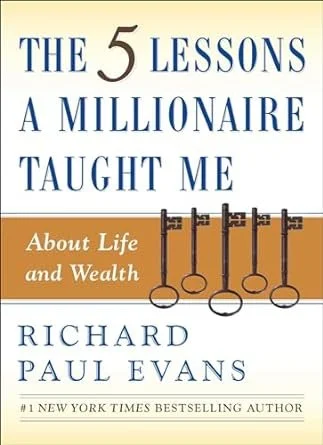
Financial Capital – "The 5 Lessons a Millionaire Taught Me: About Life and Wealth" by Richard Paul Evans
Why You Should Read It:
Financial capital is the tool used to grow the other forms of capital, and understanding how to manage it effectively is critical to long-term success. "The 5 Lessons a Millionaire Taught Me" by Richard Paul Evans is an accessible guide to building and maintaining wealth, with practical lessons that can be applied to personal finance and business. Evans lays out five essential principles to help individuals and families manage their financial resources wisely. His insights are easy to implement, making this book a great starting point for families who want to ensure their financial capital is protected and growing.
Key Takeaway:
The five key lessons of financial success—saving consistently, avoiding debt, leveraging the power of compound interest, practicing generosity, and staying persistent—are timeless principles that can help families build and maintain financial capital for generations.
Conclusion: Leverage the Right Knowledge for Long-Term Success
Families, especially ones with family enterprises, face unique challenges, but they can thrive for generations with the proper knowledge and resources. By focusing on the different forms of capital—intellectual, human, social, spiritual, legacy, and financial—you’ll ensure that your family remains resilient and prosperous in the long run. The books I recommended provide a strong foundation for developing these areas, equipping you to lead your family with wisdom and insight.
For more book recommendations, visit My Library.
FAQs
1. How does intellectual capital benefit the family?
Intellectual capital drives innovation and strategic decision-making, giving families the knowledge to adapt and grow.
2. Why is human capital necessary in the family?
Human capital, which includes the skills, abilities, and personal development of individuals and family members, is critical to ensuring motivated and capable individuals.
3. How can social capital impact a family?
Social capital enhances a family's relationships and trust as a family unit and within its community, providing opportunities for growth and collaboration.
4. What role does spiritual capital play in a family?
Spiritual capital aligns the family with its core values and ethical principles, ensuring decisions are driven by purpose and integrity.
5. How can legacy capital preserve a family?
Legacy capital focuses on passing down values, leadership, and vision, ensuring the family thrives for future generations.