Clever Family History Conversation Starters
Sharing history of the family or the family business doesn’t have to be dull, divisive or disregarded. It starts with a little preparation to elicit ancestral tales and delightful personal stories. A bit of creative flair can start a conversation leading to a remembrance of life lessons and values to be passed down to future generations.
To keep the discussion appealing, start with the presentation. Here are some ideas:
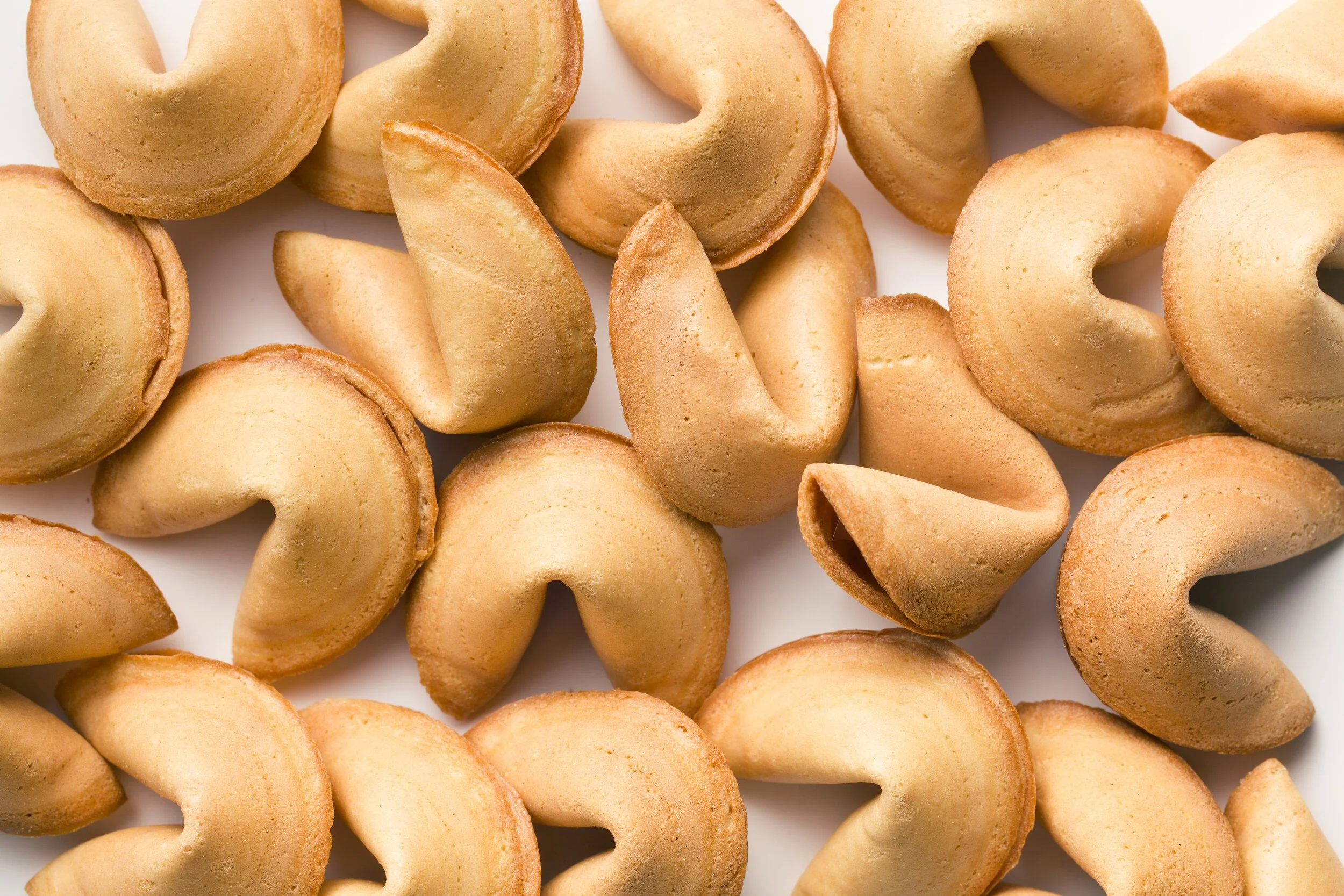
1. Fortune Cookie: Hide questions in homemade fortune cookies to pass along before or after the meal. Keep the questions short and light-hearted. It could be a list of core values to discuss how they personally or a family member demonstrated those values.
2. Question Ball Toss: Write questions on different sections of a beach ball. Answer the question under or closest to your right thumb. Questions can be historical in nature or personal. Keep it simple, “Favorite Holiday”, “Earliest Memory”, “Favorite Tradition”
3. Quote Game: Assemble a set of quotations that family members were noted as saying. Choose half as many quotes as you have participants. Type up the quotes, dividing them in the middle: choose a fairly obvious place for breaking the quotation in half. Print them, cut them apart, fold them up, and have participants each choose one out of a basket. Then, ask them to find the person with the other half of their quote. A slight twist is only put half of the quotes in a hat and when one is chosen, the person completes the quote.
4. The Did you Know Quiz: Put a list of questions relating to family members such as “Where did your mom and dad meet”, “Where your parents grew up” in a hat. Pass the hat around for participants to pick. If they do not know the answer, other members can help. This can be done by keeping score for correct answers or just share the stories.
5. Timeline: Display a timeline of family and business history with key events. It is easiest to display in decades if you have an extensive history. Ask the family members to note when they were born and add to the timeline with their memorable events or events of family members that impacted them.
6. Favorite Tradition: On a particular holiday, start the conversation by asking what a favorite tradition or home cooked dish is. Follow up by asking how, when and why that tradition might have started or whose recipe.
It is also important to keep away from sensitive topics such as divorce, gossip or death not to mention religion or politics. If there are skeletons in the family closet, this is not the time to highlight them. It should not be a therapy session for the family rather a joyful celebration of history, life and notable stories. Those conversations can be avoided by wording the questions accordingly. Don’t ask what might be perceived as threatening questions such as:
1. When are you getting married or having kids?
2. What are you doing with your career goals, life goals?
3. What colleges are you applying or got accepted to?
4. How is your divorce going?
5. When can I see you at church?
6. When are you going to join the family business?
7. Who are you voting for in the next election?
8. What did Aunt Susie leave in her will?
9. When did Uncle Frank get out of jail?
Excluding the divisive questions, the notable stories ideally should be captured somehow for future remembrance. Although it might be tough to take notes during to celebration, depending on the occasion, pre-work can be done to get family members thinking about the answers. Here are some thoughts to capture the dialogue:
1. Record the conversation. Make sure everyone is okay with the recording making sure they understand it is only to capture the information.
2. Video tape an interview with a family member(s) especially if they are older.
3. Designate someone to be the notetaker. This helps if you have a facilitator which allows all participants to be engaged in the discussion.
4. Have participants submit their answers to the questions ahead of time. They would have given it thought and then it would allow them to expand on their responses at the celebration.
5. Have someone with good recall, note the memorable moments following the event.
6. An Interactive Timeline would allow family members to physically write in their memorable events to contribute to the family story.
7. A picture activity which would have family members pick from a batch of family pictures noting the memory or importance to them. This could be added to the timeline or a separate activity.
Remember that the family celebration’s purpose is to rejoice, honor those generations before us and to bond as a family. Contributing to the history is a bonus. Enjoy the holiday, anniversary or annual celebration with meaningful traditions and great stories to share. How are you going to memorialize your next family event?